
EPR & Regulation
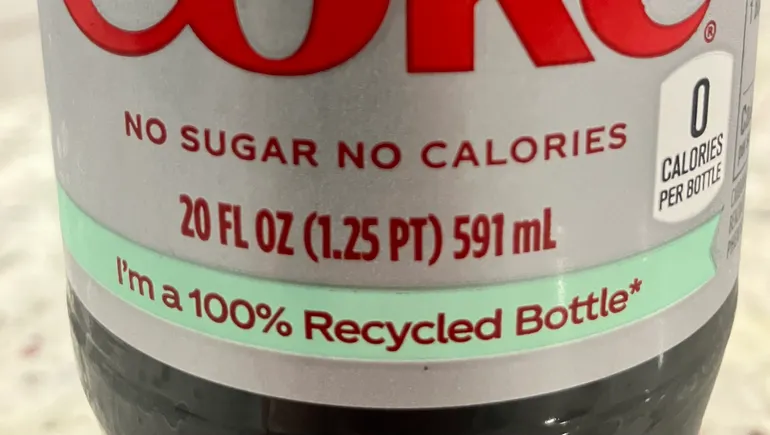
Tracking Plastic Act seeks federal standards for recycled content verification
Senator Adam Schiff (Democrat of California) introduced the Tracking Plastic Act, which aims to standardize the tracking process for recycled plastic in products by establishing a federal working group, in order to address misleading labeling and fraud by companies. The bill has received support from organizations such as the American Plastics Recycling Association and the World Wildlife Fund, and has been submitted to the Senate Commerce Committee for consideration.
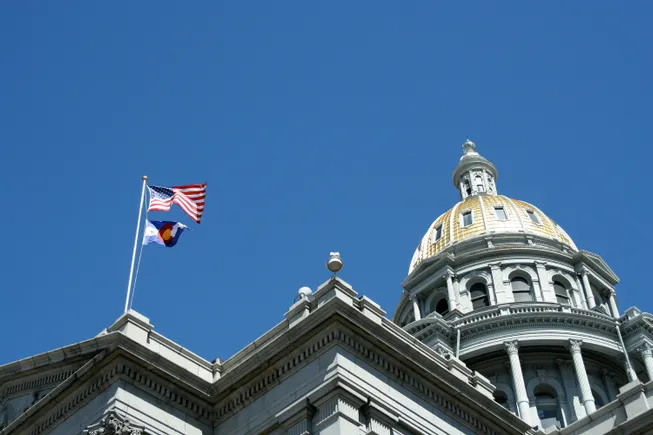
Wholesale Distributors Association Files Federal Lawsuit Against Colorado Packaging EPR Law
The National Association of Wholesaler-Distributors (NAW) has filed a federal lawsuit in Colorado challenging the state's extended producer responsibility (EPR) program for packaging, claiming that its mandatory fee-setting rules and lack of oversight violate the U.S. Constitution. NAW is also seeking a preliminary injunction to halt enforcement of the law while the case is pending. Previously, NAW filed similar lawsuits in Oregon and California.

Domtar Pays $1.5 Million to Settle Clean Air Violations
Domtar has reached a settlement with the U.S. Department of Justice, paying a $1.5 million fine for clean air violations at its Ashdown, Arkansas facility, and undertaking approximately $2.6 million in compliance upgrade projects.
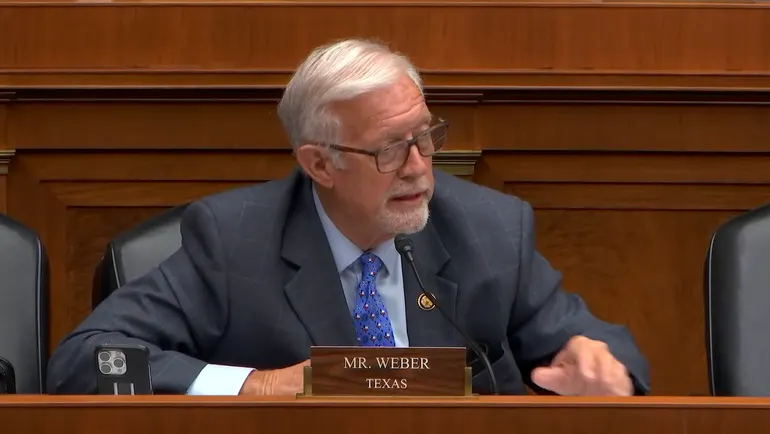
Congressional Hearing Focuses on Packaging Labels and Recycled Content Legislation
At a House hearing on Wednesday, two bipartisan bills aimed at regulating packaging recycling labels and recycled content claims received industry support but also faced criticism from consumer advocacy groups. Supporters argued the bills help reduce consumer confusion, while opponents expressed concerns that they weaken state-level standards and allow corporate greenwashing.
Oregon Packaging EPR Pilot Trial Concludes: Key Takeaways and Industry Impact
Oregon's first packaging EPR court trial concluded on July 18, with NAW alleging the law violates due process and burdens interstate commerce. Judge Michael H. Simon required both parties to submit post-trial briefs by July 31 and motions for oral argument by August 3. Observing attorneys noted that DEQ failed to adequately consider out-of-state impacts during rulemaking, and CAA's enforcement role lacks transparency. This case may influence California's EPR program revisions and federal framework discussions.
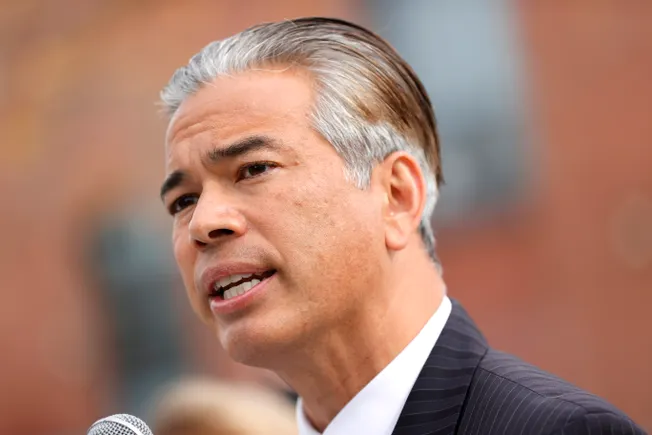
California's 'Truth in Labeling Law' SB 343 Temporarily Blocked by Federal Court Preliminary Injunction
Federal Judge William Q. Hayes in California granted a preliminary injunction, pausing enforcement of SB 343, the 'Truth in Labeling Law.' The law, originally set to take effect on October 4, 2024, required recycling symbols on packaging to meet specific standards. The court ruled that the law violates the First Amendment and lacks sufficient evidence. Industry groups welcomed the decision, while supporters said they would appeal.

Packaging EPR regulations face five lawsuits, industry landscape may be reshaped
Over the past year, a wave of lawsuits against packaging extended producer responsibility (EPR) regulations has surged across multiple U.S. states, involving business groups, manufacturers, environmental organizations, and state attorneys general. Currently, none of the cases have been concluded, but experts believe that their rulings will shape the future trajectory of EPR policies in various states. This article focuses on five key lawsuits in Oregon, California, and Colorado, analyzing the points of contention among parties and the latest developments.
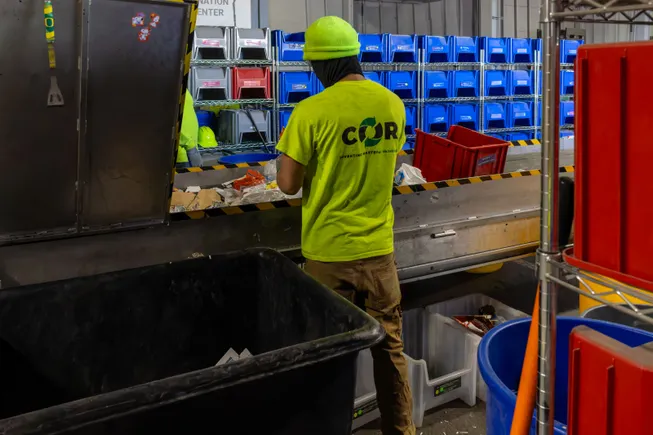
Oregon Packaging EPR First-Year Data Review: Key Indicators Six Months After Program Launch
Circular Action Alliance (CAA) releases its first annual report detailing the implementation of Oregon's packaging Extended Producer Responsibility (EPR) program—the first of its kind in U.S. history. The report covers data from just six months following the July 1, 2025 launch, with CAA positioning 2025 as a "building year" aimed at completing full system implementation by the end of 2027. Meanwhile, the program faces legal challenges: a lawsuit filed by the National Wholesale Distributors Association is set for trial in Oregon next week, and manufacturer Lollicup USA has also filed a class-action lawsuit against state Department of Environmental Quality Director Leah Feldon. Below are the key figures disclosed by CAA for the first six months.
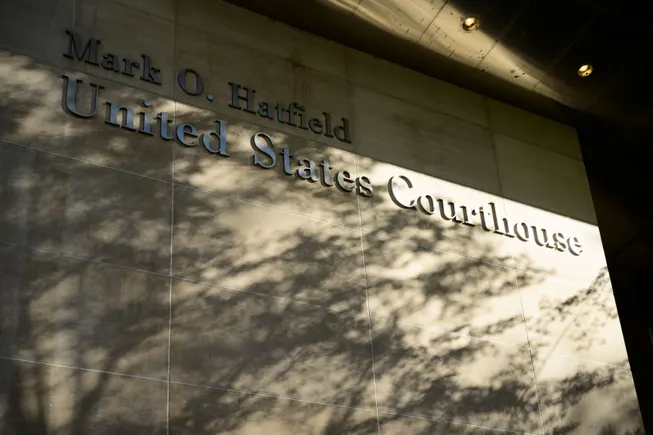
First U.S. Packaging EPR Case Goes to Trial: Oregon Lawsuit Enters Trial Phase
The first lawsuit trial for U.S. packaging extended producer responsibility (EPR) programs has arrived. The Oregon case is set for trial on July 13, and the outcome could influence the direction of EPR regulations nationwide.
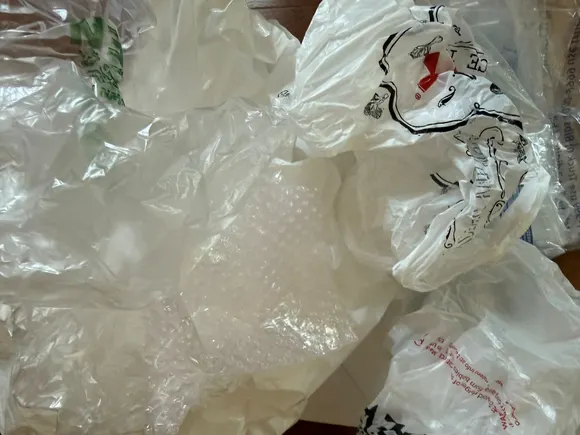
Film recycling reaches a critical turning point: pilot projects and regulatory pressure drive industry scale-up
At the Packaging Recycling Summit held on June 16, multiple industry experts noted that film recycling is at a critical turning point. Recent pilot efforts are advancing the sector and are expected to achieve scale-up in the coming years. Meanwhile, California's upcoming extended producer responsibility (EPR) regulations impose hard requirements on recycling rates, prompting all parties across the value chain to accelerate action.