
Congressional Hearing Focuses on Packaging Labels and Recycled Content Legislation
At a House hearing on Wednesday, two bipartisan bills aimed at regulating packaging recycling labels and recycled content claims received industry support but also faced criticism from consumer advocacy groups. Supporters argued the bills help reduce consumer confusion, while opponents expressed concerns that they weaken state-level standards and allow corporate greenwashing.
Key Takeaways
- On Wednesday, the Subcommittee on Commerce, Manufacturing, and Trade of the House Energy and Commerce Committee held a hearing focused on consumer protection, during which two complementary, bipartisan packaging-related bills were discussed. Hearing video availablehere。
- John Hewitt of the Consumer Brands Association and the Recycling Leadership Council testified in support of the Packaging and Labeling Knowledge Act (Pack Act, introduced December 2024), led by Ameripen, and the Recycled Materials Attribution Act (RMAA, introduced February 2025), led by the Recycling Leadership Council. The former is a labeling bill; the latter addresses recycled content.
- The hearing also featured criticism, including from John Breyault, Vice President of Public Policy, Telecommunications, and Fraud at the National Consumers League. The league opposes the Pack Act for preempting "strict state labeling standards" like California's "without establishing a strong federal baseline to prevent corporate greenwashing"; it also opposes the RMAA for legitimizing mass balance accounting.
Deeper Dive
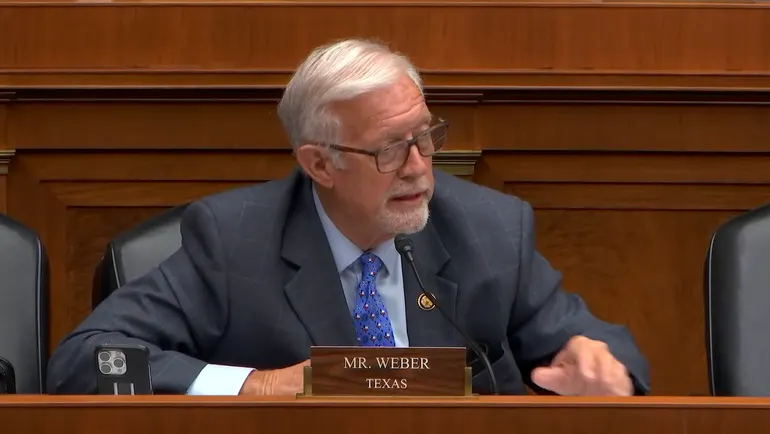
The Packaging and Labeling Knowledge Act, introduced by Rep. Randy Weber (R-TX), aims to amend the Federal Trade Commission Act to set specific requirements for recyclable, compostable, and reusable claims on consumer product packaging, including mandatory qualifiers and third-party certification, to reduce consumer confusion. The bill currently has 17 cosponsors, including one Democrat—Rep. Adam Gray (D-CA).
As other federal and state-level solutions face obstacles, the window for harmonizing packaging labeling practices remains open.
At the end of the Biden administration, the Federal Trade Commission attempted a long-awaited update to the Green Guides (guidelines for environmental marketing claims), but those efforts appear to havefizzled out. TheUnified Agenda for 2026released this month does not list the Green Guides among the FTC's regulatory priorities.
Notably, a California law attempting to address the issue at the state level is in jeopardy. A federal judge, months before SB 343 was set to take effect, issued apreliminary injunction halting its enforcement。
At Wednesday's hearing, Weber emphasized that the Pack Act aims to establish a "consistent and voluntary federal framework," noting: "You shouldn't need a lawyer to figure out the recycling bin."
Lynn Dyer, President of Ameripen, said in a statement after the hearing that the organization is "encouraged by today's discussion and the continued momentum behind the PACK Act" and "looks forward to working with Congress as the legislation moves forward."
Meanwhile, the Recycled Materials Attribution Act, introduced by Rep. Nicholas Langworthy (R-NY), aims to establish federal standards for recycled content and recycling claims, including chemical recycling. The bill currently has 12 bipartisan cosponsors. The Consumer Brands Association this monthhighlighted a six-figure ad buy supporting the RMAA, targeting 10 specific congressional districts.
Hewitt, Senior Vice President of Packaging and Sustainability at the Consumer Brands Association and spokesperson for the Recycling Leadership Council, said after the hearing: "We commend the bipartisan members of the subcommittee for advancing this common-sense, bipartisan legislation that will help keep valuable materials in productive use and keep everyday products affordable."