
Film recycling reaches a critical turning point: pilot projects and regulatory pressure drive industry scale-up
At the Packaging Recycling Summit held on June 16, multiple industry experts noted that film recycling is at a critical turning point. Recent pilot efforts are advancing the sector and are expected to achieve scale-up in the coming years. Meanwhile, California's upcoming extended producer responsibility (EPR) regulations impose hard requirements on recycling rates, prompting all parties across the value chain to accelerate action.
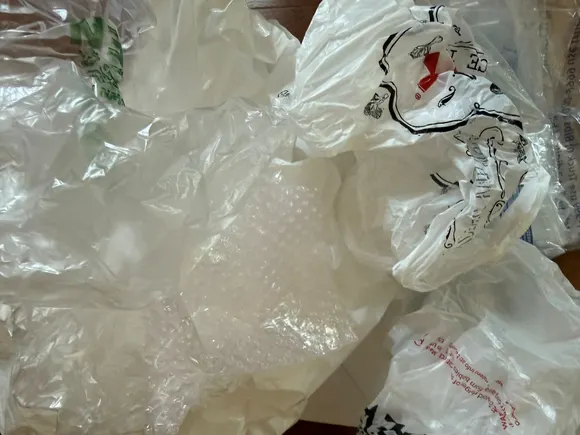
Rosemont, Illinois — For film recycling companies, the past few years have been turbulent. However, recent pilot efforts are pushing this notoriously difficult sector forward, with expectations of scaling up in the coming years. At the Packaging Recycling Summit held on June 16, panelists noted that the industry is also working intensively to prepare for compliance with California's upcoming extended producer responsibility (EPR) regulations.
Recycling rate requirements in state-level EPR laws, especially those in California, are forcing producers to meet specific thresholds or face fines orpotential material bans starting in 2032. As the producer responsibility organization Circular Action Alliance (CAA) prepares to implementCalifornia's plan, Patrick Keenan, sustainable packaging engineer at General Mills, said, "There's a growing recognition in the industry that bans on non-recyclable packaging are real, and we must take action."
Last year, several groupswere establishedto guide value chain participants in building and expanding film recycling operations, including the CalFFLex project by The Recycling Partnership's Film and Flexible Packaging Recycling Collaborative, and the nonprofit American Flexible Film Initiative (USFFI).
Market development is the pressing issue at hand. Since December 2025, USFFI has been working with material recovery facilities (MRFs) and reprocessors to identify viable end markets. As of mid-June, the organization reported it had helped transport1.5 million pounds of filmfrom California to end markets across the country.
"Based on demand assessments, California recycles about 66 million to 70 million pounds of film annually, with a recycling rate of only 5%. So, over the past six months, it seems we've increased California's recycling rate by a full percentage point," said Keenan, who also serves as aboard memberof USFFI. He noted that if CAA finds this model suitable for its plan, more funding from EPR fees could flow into the film sector, helping to boost recycling rates.
"The recycling industry is at a critical juncture."

Raj Bagaria
Managing Director of GDB Circular
Teo Medellin, Director of Global Packaging Sustainability at Procter & Gamble, said flexible plastic packaging needs to meet California's requirements to avoid bans because its performance makes it indispensable in packaging, and its market share continues to grow. "It exists for a reason: because it works."
Despite the prevalence of flexible packaging in the market, film recycling rates are far lower than other types of plastics, said John Nygaard, Director of Quality and Technical Services at flexible packaging manufacturer Glenroy, Inc. "This industry gap must be bridged."
Panelists said part of the problem is that the plastic film recycling industry faces severe economic challenges. Over the past year, several competitors have struggled, as Raj Bagaria, managing director of film recycler GDB Circular, cited examples such asWM closing its Natura PCR plant in Texas. Another case isMyplas USA shutting down in 2024its Minnesota plant, which had been open for only a few months; GDB Circular eventuallyacquired the facility and turned it into a flagship operation。
"The recycling industry is at a critical juncture, and the next 12 months from now will be crucial," Bagaria said. He noted that domestic industry players need to establish their capabilities in recycling film and producing post-consumer recycled materials.

Panelists said that currently, the economic challenges and infrastructure gaps in flexible film processing need to be addressed through intentional incentives, including EPR and PCR mandates. Keenan said that as the customer base grows and prices become more reasonable, the market will eventually stabilize and no longer require subsidies. "But I suspect we are still years away from that day."
Panelists noted that optimizing plastic film packaging design at the source is crucial, such as developing designs that incorporate post-consumer recycled content, to ensure recyclers have a stable demand channel. Keenan said that although the upcoming EPR programs will increase producer costs regardless, "we can reduce those costs through better packaging design."
While some designers feel constrained by PCR limitations or challenges, Medellin believes "this opens up other freedoms in design that haven't been utilized yet." He said developing new sustainable designs will help the system scale and control costs. But this may require a shift for industry professionals accustomed to using virgin materials.
"We need to start thinking: how do we design with recycled materials?" Medellin said.