
Supply Chain

Consumers increasingly prioritize sustainability for e-commerce packaging: Ryder
Ryder's 2026 E-commerce Consumer Study, released by the logistics company, reveals a significant increase in consumer attention to sustainability in e-commerce packaging, while the priority of price factors has declined. Corrugated boxes remain the most popular packaging format, but environmental awareness as a reason for choice has risen by 6 percentage points. Meanwhile, sustainability has become a key driver of brand loyalty, with 67% of respondents preferring refund policies that do not require returns.

Packaging industry braces for impacts from U.S.-Canada trade war
The US-Canada trade war continues to escalate, with Canada announcing tariffs of up to 50% on $27.6 billion in US goods, covering key packaging raw materials such as pulp, paper, aluminum, and steel. Industry executives are assessing the impact and developing mitigation plans, but evidence of large-scale early purchasing in the short term is insufficient. Multiple industry associations are urging both sides to return to the negotiating table to avoid long-term disruption to cross-border supply chains.
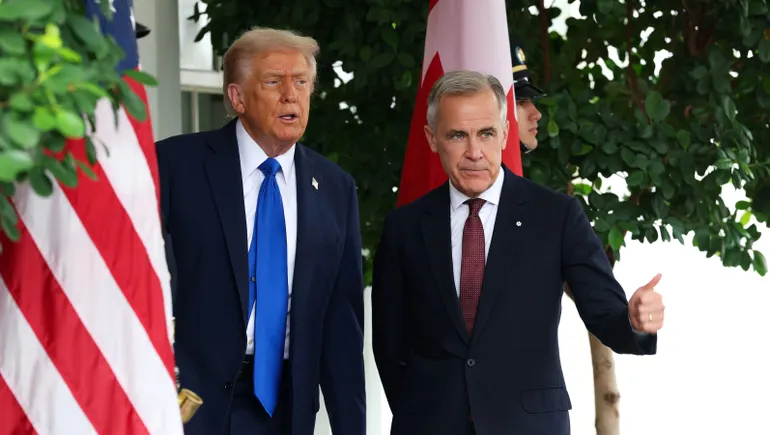
Trump vows 50% tariffs on Canada cars, trucks, auto parts, steel
U.S. President Trump announced via social media on Monday that he will impose a 50% tariff on cars, trucks, auto parts, and steel imported from Canada, effective January 1. This follows the breakdown of U.S.-Canada trade negotiations, with Canadian Prime Minister Carney vowing "reciprocal" retaliation. The White House has not yet issued a formal tariff order, and the relationship between the new tariffs and existing Section 232 provisions and the USMCA remains unclear.

Hope for quick plastic market normalization fades as Iran conflict escalates
In June, the market hoped that an initial US-Iran ceasefire and the reopening of the Strait of Hormuz would push the plastics market back to normal, but the conflict escalated again in July, disrupting supply chains and raising prices, prompting more processors to turn to recycled resins. Experts believe that regardless of when the conflict ends, the impact on both virgin and recycled markets will extend into 2027.
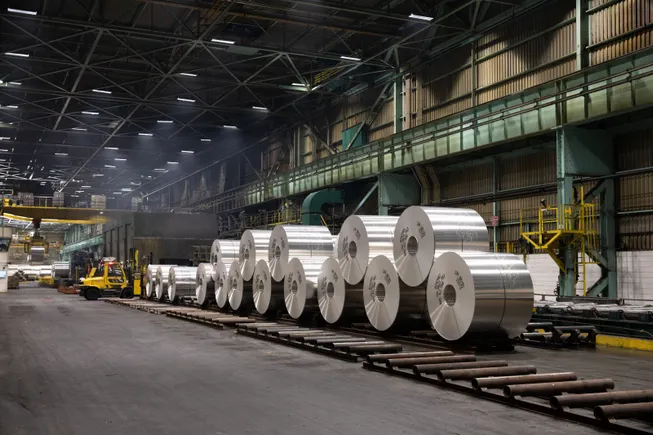
Trump offers to cut aluminum tariffs in half for onshoring promises
U.S. President Trump signed a proclamation proposing to halve aluminum import tariffs in exchange for commitments from companies to invest in producing aluminum in the United States. The plan is to be implemented by Commerce Secretary Howard Lutnick, requiring companies to submit plans to build, renovate, or expand U.S. aluminum facilities and commit to starting construction by January 20, 2029.

US slaps 50% tariffs on many Canada imports
U.S. President Trump signed proclamations on July 20, imposing 50% tariffs on multiple key imports from Canada effective August 19, involving a wide range of categories including agricultural products, chemicals, and paper products. This measure, based on Section 338 of the Tariff Act of 1930, targets Canada's discriminatory trade practices in alcoholic beverages, dairy products, and automobiles. Analysts note that this action may affect paper products imported by the U.S., such as containerboard and uncoated free-sheet paper. Canadian Prime Minister Carney stated that this action violates USMCA but expressed willingness to continue consultations.
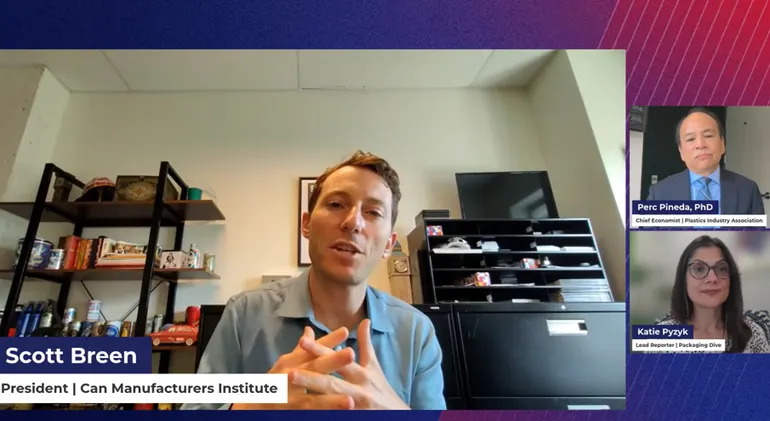
4 ways tariffs and geopolitics are impacting commodity markets
During a recent online event titled "Supply Chain Outlook: 2026 Trends and Risks," industry experts analyzed the multiple impacts of tariffs and geopolitics on commodity markets. The article summarizes four key points: U.S. Section 232 tariffs on aluminum and steel raise costs and affect food and beverage prices; the plastics industry faces tariff uncertainty but with relatively milder pressure; the Iran conflict disrupts global aluminum supply and pushes up resin prices; and the USMCA's future is uncertain, though renegotiation could bring opportunities.