
EPR & Regulation
California EPR Deadlines Accelerate Soft Film Recycling Solutions
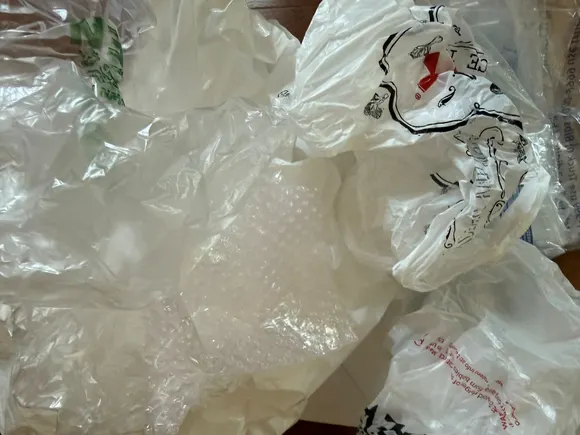
At a webinar hosted by the Northeast Recycling Council (NERC) on Thursday, participating experts noted that effective recycling solutions for soft films and flexible plastics are as complex and multi-layered as the materials themselves. With California's SB 54 regulation requiring a 65% recycling rate for single-use plastic packaging by 2032, the industry faces unprecedented pressure. Experts discussed how pilot projects, data collection, MRF subsidies, and policy updates are shaping the soft film recycling landscape in the U.S., while emphasizing the need for greater coordination across all links of the supply chain.
The first unified reporting deadline for packaging EPR has passed. What should producers do next?
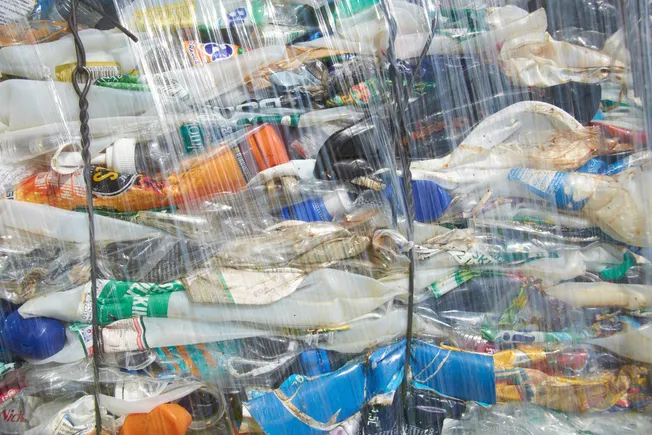
Seven U.S. states have passed packaging extended producer responsibility (EPR) laws, and the first unified baseline data reporting deadline (May 31) has just passed. Compliance experts point out that the focus should shift from data submission to implementation and optimization, including packaging redesign, fee adjustments, and building long-term compliance systems.

California Advances Compost and Recycled Content Labeling Bills, Strengthening Environmental Claim Oversight
California lawmakers advanced multiple packaging-related bills before a key Friday deadline, involving stricter requirements for recycled content claims and compost labeling. AB 2253 requires recycled content claims to be based on actual physical content, AB 1812 prohibits compost products containing plastic, and SB 1031 strengthens distinctions in compost labeling.
California SB 54 Drives Reusable and Refillable Packaging Systems into Practical Testing Phase
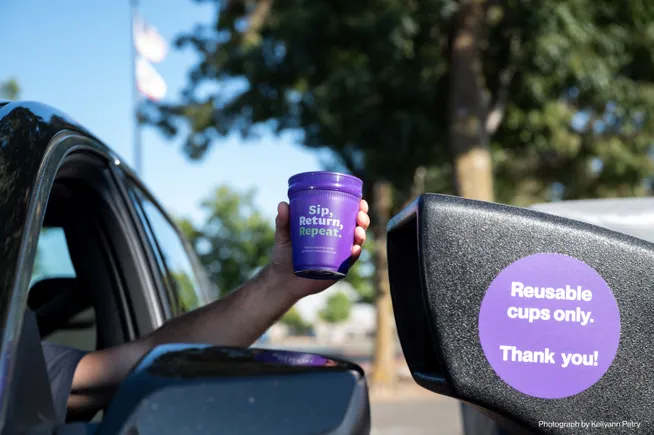
California's SB 54 requires producers to reduce plastic packaging material by 10%, 20%, and 25% by 2027, 2030, and 2032, respectively, with at least 10% of that reduction achieved through source reduction, meaning a shift to reusable or refillable packaging. The assessment report commissioned by CalRecycle from organizations such as Eunomia and Perpetual shows that closed-loop reuse systems are the most attractive in the short term, but transitioning to this model requires substantial investment, with cumulative investment estimated between $8 billion and $15 billion. A pilot project involving cup reuse at 30 businesses in Petaluma provides valuable practical data, while the role of recycling service providers like Recology in this effort remains open to discussion.
Oregon Updates Responsible End Market Verification Process
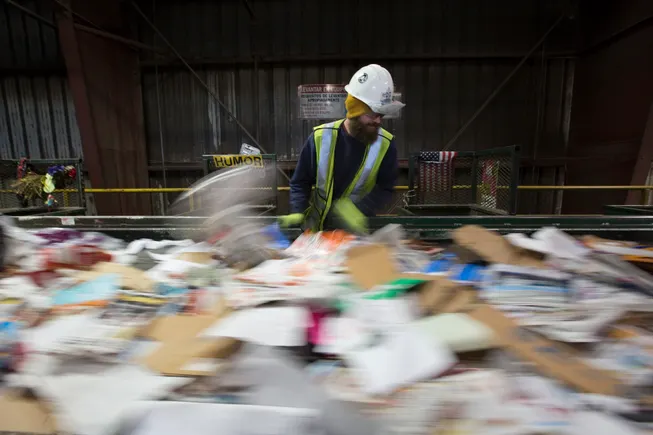
The Oregon Department of Environmental Quality (DEQ) this month approved a plan amendment submitted by producer responsibility organization Circular Action Alliance (CAA) for the Responsible End Market (REM) program, which was approved after an extended consultation period. The updated version establishes baseline processes for third-party certification and PRO verification, adjusts performance standards within the verification criteria, and provides differentiated treatment for glass furnace self-declarations and verification. CAA stated that it is currently developing a phased implementation timeline and documentation requirements for REM.

California Recycling Regulations Expected to Trigger Wave of Lawsuits, Divisions Widen Between Environmental Groups and Industry
Two significant California recycling regulations—the producer responsibility and source reduction law SB 54 and the 'label truthfulness' law SB 343—are set to be implemented gradually this year, but disputes over their details have already surfaced. Environmental groups argue that SB 54 contains 'major loopholes' and plan to file lawsuits; business groups may challenge the regulations on procedural grounds. Meanwhile, Oregon's packaging EPR lawsuit is scheduled for trial in July, and SB 343 also faces a free speech lawsuit. Legal experts point out that litigation is unlikely to fundamentally alter the direction of the regulations, and companies should not rely on lawsuits to evade compliance obligations.
CalRecycle Releases New SB 54 Guidance to Aid Producer Compliance
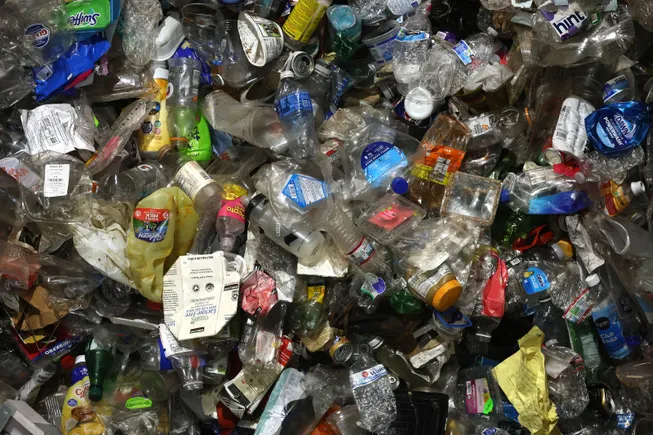
Following California's finalization of SB 54 regulations on May 1, CalRecycle issued multiple guidance documents on May 11 to address key producer compliance questions. The guidance covers producer identity determination, covered material definitions, food and agricultural packaging exclusion notification requirements, and reminds of the June 1 registration deadline and the June 15 draft plan submission date.
CAA Proposes Unified Certification Standards for 'Responsible End Markets' in U.S. Packaging EPR
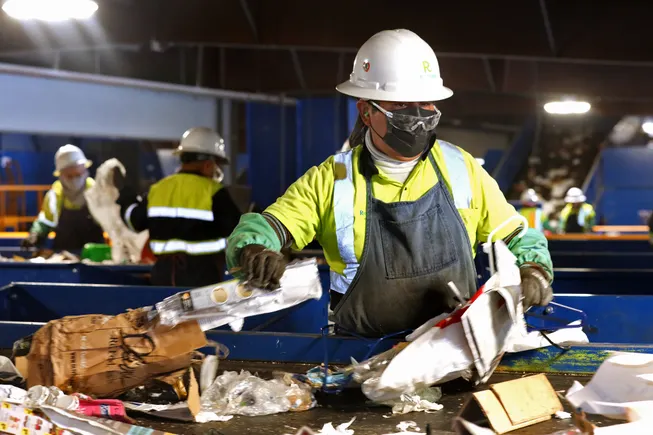
The Circular Action Alliance (CAA) has opened public comment on its draft certification standards for Responsible End Markets (REM), with comments due by July 7. The standards aim to provide a unified certification framework for REM provisions in U.S. state packaging extended producer responsibility (EPR) laws, reducing duplicate audit burdens for companies in the recycling value chain. The draft was developed with assistance from SCS Standards and Assurance and supported by input from a multi-stakeholder committee.
Packaging and Materials Industry Groups Testify at Section 301 Tariff Investigation Hearing
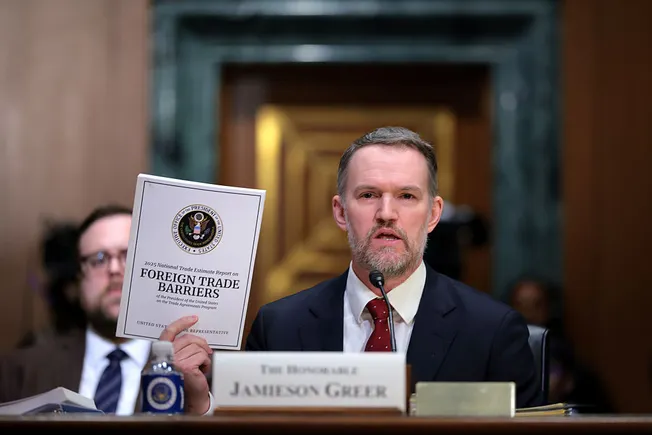
The Office of the United States Trade Representative held Section 301 tariff investigation hearings this week regarding structural overcapacity in 16 countries and regions. Representatives from the Can Manufacturers Institute, the American Forest & Paper Association, the Aluminum Association, the Institute of Scrap Recycling Industries, and the American Chemistry Council testified, generally supporting tariffs to address unfair competition while emphasizing the need for caution, targeted measures, and attention to risks such as raw material supply.

Maine Packaging EPR Implementation Lags Behind, Producer Fee Payment Timeline Still Pending
Maine's packaging extended producer responsibility (EPR) law implementation continues to lag behind states such as Oregon and Colorado. Although the state passed final rules in December 2024 and signed amendments in 2025, the stewardship organization's bidding process has yet to begin. The environmental department stated that a request for proposals will be issued soon, and producers are still required to register and pay startup fees this year, but the specific arrangements depend on the contract signing timeline.