
EPR & Regulation
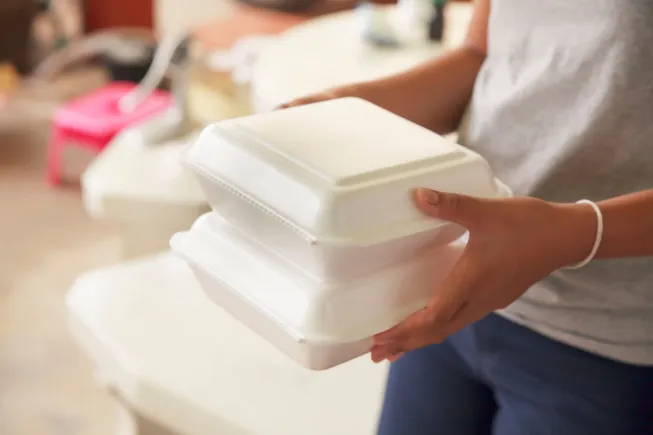
California Unifies Food Date Labeling Standards, Virginia Bans Foam Food Containers
On July 1, 2026, multiple U.S. states will simultaneously enact a batch of packaging-related regulations: California prohibits the use of "sell by" labels and unifies quality and safety date terminology; Virginia extends the EPS food container ban to all food vendors; Connecticut imposes labeling obligations on products containing PFAS; Washington state's producer responsibility organization registration deadline arrives.
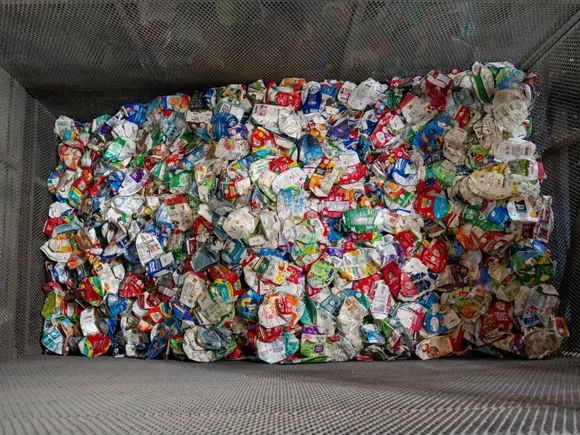
More Material Recovery Facilities in California Begin Sorting Cartons, Easing Recent Recycling Concerns
Updated data from the California Department of Resources Recycling and Recovery (CalRecycle) shows that three new material recovery facilities (MRFs) are sorting cartons, raising the share of counties with carton recycling services to 62%, above the 60% threshold required by SB 343. Previously, this share had dropped to 53% in December 2025, sparking industry concerns. The new law, effective October 2025, requires that packaging be sorted by MRFs covering at least 60% of counties to be labeled as recyclable.
Oregon Packaging EPR Class Action Targets DEQ Director
Lollicup USA (a subsidiary of Karat Packaging) filed a class action in Oregon federal court against DEQ Director Leah Feldon, seeking a declaration that the state's Plastic Pollution and Recycling Modernization Act is unconstitutional and an injunction against its enforcement. The lawsuit cites NAW precedent, alleging the law violates the Commerce Clause and due process.
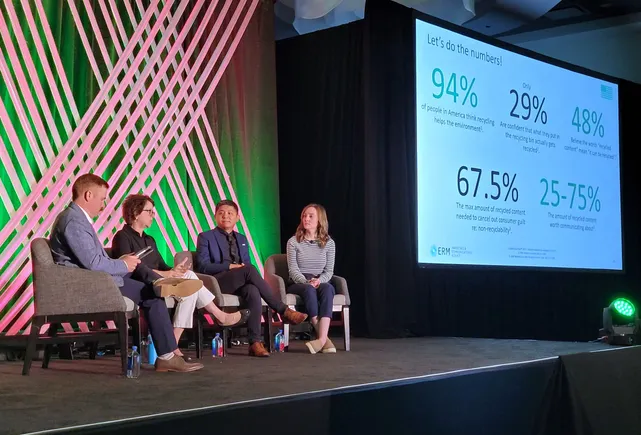
PCR: Another Three-Letter Packaging Compliance Keyword on the Brand Radar
While industry attention is focused on packaging Extended Producer Responsibility (EPR), mandatory requirements for the use of Post-Consumer Recycled (PCR) materials also hold a significant place on the brand compliance agenda. At the Packaging Recycling Summit held from June 15 to 17 in Rosemont, Illinois, attendees noted that despite many brands making public commitments to increase PCR usage, actual demand growth has been slow. New Jersey's PCR regulations are regarded as the most extensive, and their brand-level aggregated average compliance requirements have prompted companies such as Campbell Soup and Ahold Delhaize USA to adopt cross-category strategies. Meanwhile, costs, the supply of food-grade materials, technical process limitations, and consumer misunderstanding of recycled material pricing collectively constitute real barriers to the promotion of PCR.
17 Republican State Attorneys General Jointly Sue California Over Packaging EPR Law
17 Republican state attorneys general jointly sued California's SB 54 packaging EPR law, alleging it violates the Constitution and harms interstate commerce. The National Wholesale Distributors Association joined as the sole commercial plaintiff, having previously obtained a preliminary injunction in Oregon.
California Packaging EPR Program Budget Expected to Exceed $9 Billion Over Next Five Years
The Circular Action Alliance (CAA), the producer responsibility organization responsible for implementing California's packaging extended producer responsibility (EPR) law, submitted a draft program plan to the SB 54 Advisory Committee on June 15. The draft projects a maximum program budget of $1.87 billion in 2027, with cumulative budgets over the next five years between $9.35 billion and $17.2 billion. The plan faces multiple challenges, including regulatory delays, cost disputes, and lawsuits from environmental groups.
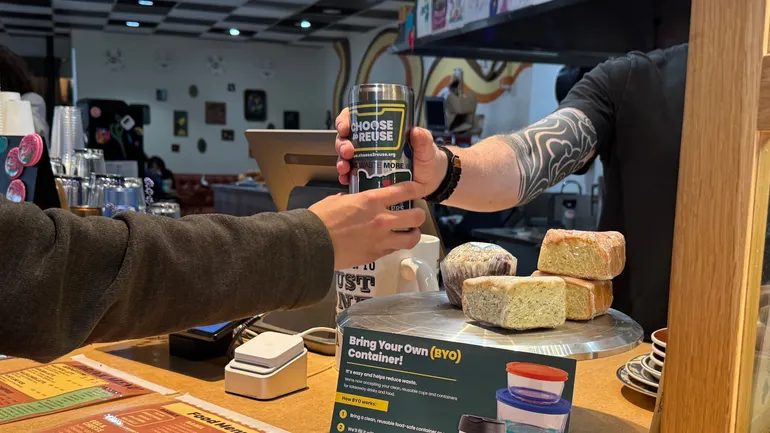
Bringing Your Own Containers Is Becoming a Trend: Oregon Legislation and Portland's "Choose to Reuse" Initiative Drive Food Service Waste Reduction
Since 2023, Oregon has passed legislation allowing residents to bring their own reusable containers into food establishments, accompanied by a ban on foam plastics. The Portland metropolitan government, Metro, has seized this opportunity to launch the Choose to Reuse regional initiative, promoting the reduction of single-use packaging in the food service industry through outreach, business guidance, and financial incentives. Currently, the initiative remains in its early promotional stages, with food trucks emerging as early adopters.
New U.S. Congressional Bill Proposes Banning PFAS, Phthalates, and Bisphenol A in Food Packaging
Democratic lawmakers in the U.S. Congress introduced the Toxic-Free Food Packaging Act this week, aiming to ban chemicals including phthalates, PFAS, bisphenol A, and styrene polymers from food packaging and processing materials. The bill does not seek to replace state regulations and has received support from multiple environmental organizations.
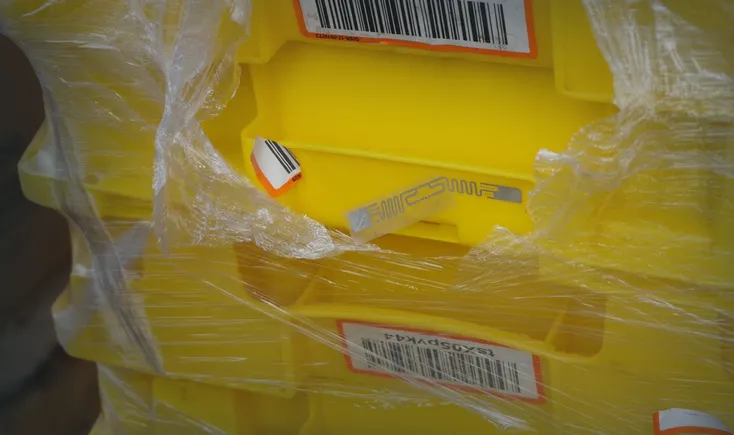
EPR compliance requires full lifecycle traceability. Are enterprises ready?
EPR regulations are driving the packaging industry to re-examine the durability of product identification. Traditional tracking systems relying on barcodes, RFID, or BLE devices are prone to failure in harsh reuse environments, leading to broken traceability chains. Mono-material labeling technology integrates identification directly into the plastic substrate, eliminating adhesive layers and secondary films, achieving identification with the same lifespan as the packaging and providing a reliable foundation for EPR compliance.
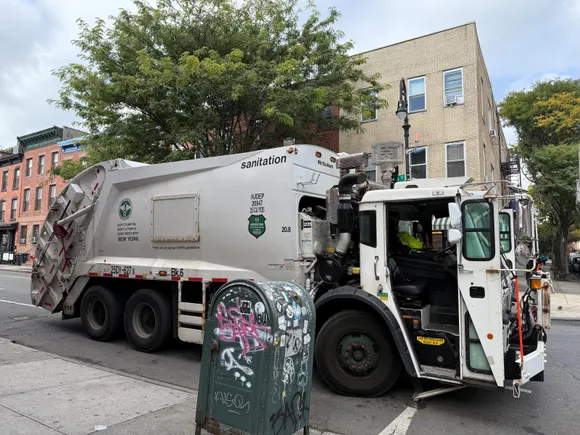
New York State Packaging EPR Bill Fails to Advance in 2026 Legislative Session
The New York State Legislature is expected to adjourn this Friday, with a series of waste and recycling-related bills not prioritized for a vote, including the controversial packaging extended producer responsibility (EPR) bill, amendments to bottle bills, and measures to facilitate street sweeping and garbage collection.