
More Material Recovery Facilities in California Begin Sorting Cartons, Easing Recent Recycling Concerns
Updated data from the California Department of Resources Recycling and Recovery (CalRecycle) shows that three new material recovery facilities (MRFs) are sorting cartons, raising the share of counties with carton recycling services to 62%, above the 60% threshold required by SB 343. Previously, this share had dropped to 53% in December 2025, sparking industry concerns. The new law, effective October 2025, requires that packaging be sorted by MRFs covering at least 60% of counties to be labeled as recyclable.
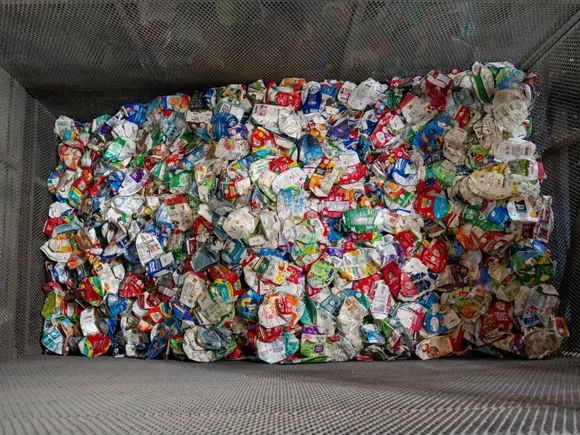
At a Glance
- According to updated data from CalRecycle, three new MRFs in California have begun sorting cartons, and now 62% of counties statewide offer carton recycling services. The carton recycling industry believes this key data helps its packaging be recognized as "recyclable" under the upcoming state labeling law, following concerns in December 2025 when the percentage fell below the threshold.
- California's SB 343 (the "truth in labeling" law) takes effect in October 2025, affecting recycling labels on product packaging. The law requires that most packaging be sorted by MRFs serving at least 60% of counties into a "defined material stream" to be labeled recyclable, along with meeting other conditions.
- In December 2025, after an MRF owned by WM announced it would pause carton sorting, the percentage of carton-sorting MRF coverage dropped to 53%, raising concerns about the future of carton labeling under the new law. CalRecycle stated that its updated data is not a final determination of recyclability for any material.
In-Depth Analysis
The upcoming implementation of SB 343 has a particularly significant impact on carton recycling in California, although the law applies to other packaging types as well. SB 343 aims to protect consumers from misleading recycling claims, prohibiting the use of the widely recognized "chasing arrows" symbol or other recyclability claims on packaging without undergoing a complex state-level approval process.
In recent months, the carton recycling industry has experienced ups and downs on the path to SB 343 compliance. In August 2025, MRFs sorting cartons covered 68% of counties, and at that time the Carton Council (a coalition of food and beverage packaging manufacturers) expressed hope that the data would encourage more California residents to recycle cartons. However, in December 2025, updated CalRecycle data showed that MRF coverage for carton sorting had fallen below the legally required 60% threshold. CalRecycle also reported that the state's carton recycling rate was less than 1%.
Part of the reason for falling below the threshold in December was WM's announcement that its Sacramento facility would "temporarily pause" carton sorting, citing "changing market tolerance for materials like cartons mixed into fiber bales." WM did not immediately respond to an email inquiry Monday about the sorting status of that MRF.
CalRecycle's latest June update added three MRFs not previously included in the statistics: the Western Placer Waste Management Authority MRF in Roseville, Pacific Recycling Solutions MRF in Ukiah, and the Cold Canyon Landfill MRF in San Luis Obispo. CalRecycle said these additions were based on "newly obtained information."
According to the Carton Council, all three newly added facilities sort cartons into Grade 52 bales (i.e., "pure carton" bales, not mixed with other materials). Carton Council Chairman Jordan Fengel praised the June update, stating in a release that it "reflects the real and growing capacity of California's recycling system to recover food and beverage cartons," and noted that packaging labels in the state will continue to be able to "accurately convey that cartons should be recycled, thereby providing ample feedstock for existing and emerging recycling end markets."
Brendon Holland, communications manager for the Carton Council, said in an email to Waste Dive that the Roseville MRF began sorting cartons into Grade 52 bales last fall, and Cold Canyon began sorting pure carton bales in May of this year. Pacific Recycling Solutions previously sorted cartons into mixed paper bales and has recently switched to sorting Grade 52.
Holland said domestic and Mexican end markets for Grade 52 include companies such as Sustana, Kimberly-Clark Mexico, and Essity. A new carton buyer in California is ReCB, which uses recycled cartons to produce a roofing material called Everboard. The company has a plant in Iowa and recently opened a new facility in Lodi, California. The business has changed hands multiple times, including once being owned by WM. The Iowa plant was closed for about nine months in 2024 and reopened in August 2025. The Carton Council supports the project.
The new plant aims to "provide additional incentives for sorted carton recycling," Holland said, "and ultra-local end markets are especially attractive to MRFs during times of higher fuel and transportation costs."
SB 343 has other requirements beyond the 60% MRF processing threshold. To be considered recyclable, packaging must also be collected by collection programs serving at least 60% of the state's population. The law also prohibits manufacturers from selling products or packaging labeled as recyclable unless those items are regularly collected and processed for recycling within the state. MRFs must send materials to recyclers that comply with the Basel Convention, which prohibits the export of certain hazardous wastes to foreign countries.
The Basel Action Network and The Last Beach Cleanup have previously alleged that California allowed paper bales contaminated with cartons to be illegally exported to Malaysia and other countries that banned such imports in 2024 and 2025, including material from WM's Sacramento MRF. The organizations claim this violates the Basel Convention. WM has stated that such exports are not illegal and have been approved by Malaysian customs authorities.
In its June letter, CalRecycle said it does not expect to fully update its SB 343 findings until 2027. The agency also stated that this update is not a determination of whether cartons are recyclable, and the data should not be interpreted as "any recyclability determination" or used to determine recycling rates for cartons or other materials.
Meanwhile, Holland said the Carton Council is moving forward with a new initiative to "quantify state-level recycling rates." The Carton Council also plans to update its national recycling rate data later this year, "using updated data and revised methodology."