
Demand for Recycled Plastic Packaging Grows, Health Risk Concerns Rise in Tandem
As demand for recycled plastics in packaging continues to rise, concerns about their potential health risks are also increasing. A May report from the United Nations Environment Programme shows that nearly half of the 7,000 plastic-related chemicals have hazardous properties. The U.S. FDA is evaluating related petitions, and the EU requires all plastic packaging to be recyclable by 2030. Industry and advocates are calling for stronger regulation, improved recycling systems, and exploration of alternatives such as chemical recycling.
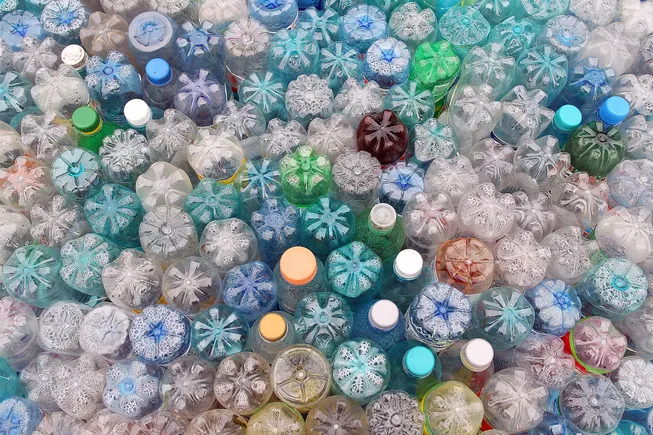
A recent series of reports and studies has raised new questions about the health risks of plastics, which could complicate discussions about the role of plastics in food and beverage packaging and efforts to increase the use of recycled content.
Specific chemicals such as bisphenol A (BPA) — found in plastic bottles, food can linings, and other products — have been a focus of public concern for years. Now, multiple reports from organizations such as the Bloomberg Philanthropies and Greenpeace are raising new worries about broader risks to human health from plastic exposure. In the United States, some complaints also involve how the Food and Drug Administration (FDA) handles the review of the chemical composition of recycled and virgin plastics.
Scientific evidence and regulatory pressure
A report released in May by the United Nations Environment Programme examined the latest scientific evidence on chemicals in plastics and found that nearly half of the 7,000 substances associated with plastics contain one or more hazardous properties linked to adverse health effects.
Another recent analysis conducted by the Boston College Global Observatory on Planetary Health, in collaboration with Australia's Minderoo Foundation and the Monaco Scientific Centre, concluded that "current patterns of plastic production, use, and disposal are unsustainable and cause significant damage to human health, the environment, and the economy, as well as deep social injustices." The authors noted that many manufacturing and plastic processing facilities — and the pollution they generate — are located in low-income areas.
Environmental and health advocates are calling for more reuse systems and an overall reduction in plastic use. These assessments also emphasize the need to significantly increase recycling rates and expand the types of plastics that can be recycled.
According to the UNEP report, after efforts such as "eliminating problematic and unnecessary plastics," increasing recycling rates could reduce plastic pollution by an additional 20% by 2040. A separate 2022 report by the recycling advocacy group Reloop called for strengthening closed-loop recycling and increasing collection rates for beverage packaging to 90%.
But sources say these goals could be hampered by insufficient supplies of recycled materials. Some worry that shortages of recycled plastics could be exacerbated by any new health-related packaging regulations that governments might introduce in response to recent studies. Even as demand for recycled plastics rises, manufacturers may find it increasingly difficult to secure adequate supply — at least with the polymers, designs, and recycling processes currently in use.
The push for new regulations
As scientific evidence about the potential health effects of virgin and recycled plastics continues to accumulate, advocates and some experts are pushing for stronger policies and regulations. UNEP officials say they hope the plastic chemical issues detailed in the report will inform discussions related to the upcoming global plastics treaty expected to be finalized next year. Negotiators held their latest meeting in Paris this month and will meet again later this year.
"Concern around the world about plastics and their health effects is enormous," said Megan Wolff, policy director at Beyond Plastics, noting that the debate over plastics and recycled packaging has reached a critical juncture.
Plastics used in recycled food and beverage packaging are already regulated, but health advocates say stricter limits are needed on individual substances and combinations of chemicals. Although companies voluntarily report individual substances used in food-grade plastics to the FDA, experts say little is known about the full details of certain packaging components — and how substances interact.
"It's actually very difficult to unravel that chemical mixture because we don't know exactly what was in there in the first place," said Michael Shaver, a chemist and professor of polymer science at the University of Manchester in the UK.
The United States (which accounts for 18% of global plastic demand, according to international data) and the European Union both require that feedstocks used in packaging with recycled content meet food-grade standards. This requirement is designed to ensure that only food-grade virgin plastics enter new food-grade packaging. But a recent German study found that PET is the only polymer that meets EU requirements for recycling and reuse in food-grade containers. Under EU circular economy goals, all plastic packaging must be recyclable by 2030.
When analyzing samples of recycled plastics, the research team found that packaging contained additives designed to improve the quality of recycled plastics, and these substances were more toxic than packaging made from virgin polymers. The team concluded that for more types of polymers to be safely recycled, the industry needs to improve collection systems and cleaning processes, and adopt more sensitive detection methods to identify substances in recycled materials.
Kara Pochiro, vice president of communications at the Association of Plastic Recyclers in the United States, declined to comment on the potential impact of rising health concerns on the ability to meet demand. She said generally that the organization supports efforts to increase collection rates and improve design, pointing to the group's position on expanding recycling.
"When products are designed to be recyclable and are also placed in recycling bins and collected, we can better meet the demand for recycled content," she said in an email.
To date, U.S. regulators have not imposed further restrictions on specific substances. Paul Honigfort, director of the FDA's Division of Food Contact Substances, said in an email that the agency "actively monitors new scientific information related to recycled plastics in food contact applications" and reviews industry recycling processes and provides input when requested. "When existing information indicates that additional information is needed, the FDA also conducts its own research related to food packaging," Honigfort said. For example, the agency has conducted studies on phthalates used as plasticizers in food packaging.
The agency's guidance on the use of recycled plastics in food packaging (most recently updated in 2021) states that only trace amounts of toxic contaminants are likely to survive the post-consumer recycling process. Due to the low concentrations of chemical residues in recycled polymers, the guidance describes the risk of acute consumer exposure as "extremely low." While manufacturers are encouraged to submit information about their recycling processes to the FDA, it is not mandatory.
Experts say efforts to strengthen safety measures for BPA illustrate the high bar for regulating these chemicals. Following studies warning of the chemical's potential effects on the immune system and reproductive function, the FDA began a series of reviews starting in 2008, ultimately concluding that BPA remains safe for use in food packaging. The agency is currently evaluating a petition submitted in 2022 by a coalition of advocacy organizations arguing that new research — including a 2022 epidemiological study in Europe that linked in-utero BPA exposure to an increased risk of asthma in young girls — warrants a re-examination of the substance.
Impact on recycling
One obstacle to using cleaner recycled content in plastic packaging is contamination in the first step of the recycling process — collection. Because food-grade and non-food-grade materials are thrown into the same bin, recyclable packaging can become contaminated with everything from motor oil to food scraps.
As a result, not all packaging that enters collection bins can be remade into food and beverage containers, said Jan Dell, a materials engineer and founder of the advocacy group The Last Beach Cleanup.
"Apart from a small number of bottle deposit return programs, it's impossible to separate public post-consumer, household post-consumer plastics," she said. Under bottle deposit programs, consumers receive a small refund for returning containers through various systems. Because these systems cover only a more limited category of plastics, the potential for contamination is minimal.
Other challenges to expanding the use of recycled packaging lie in the recycling process itself. Because polymers and additives degrade during recycling, new additives must be blended in to meet quality and durability standards for recycled products. But the UNEP report notes that degraded additives also remain in the material and may be released when recycled products are used.
The report notes that little is known about the toxicity of many of these "non-intentionally added substances" and that further research is needed. But studies conducted to date suggest that some of them may pose health risks. "Various hazardous chemicals found in products currently in use can contaminate recycled plastics," the report concluded.
A 2020 study by researchers at the University of Alicante in Spain analyzed the composition of recycled LDPE and HDPE and found 134 substances, including volatile and semi-volatile compounds from polymers, additives, and other contaminants. The team also found chemicals that were residues of original additives in the feedstock plastics, which had broken down during the recycling process.
The authors wrote that some additives and degradation products, particularly in LDPE, "could raise safety concerns if reused in higher-value applications." They concluded that establishing separate waste collection systems to prevent contamination and using fewer types of additives in plastic manufacturing could help overcome these issues.
The role of plastics in a circular economy
Certain nonprofits and industries are increasingly embracing the concept of a "circular plastics economy," which addresses the plastic problem at every stage of its life cycle — and tackles health and environmental concerns simultaneously. The Ellen MacArthur Foundation has called for creating a circular plastics economy by eliminating unnecessary items, keeping already-produced plastic items in circulation, and proposing new designs, materials, and management practices to ensure that plastics on the market are reusable, recyclable, or compostable. For example, the EU's plastics strategy aims to create a circular plastics economy across the EU, and several U.S. states are also developing various regulations.
But achieving a circular plastics economy requires a significant increase in the supply of recycled plastics, and studies show that supply is insufficient. As public pressure intensifies, some manufacturers and researchers are already exploring various ways to meet the growing demand for recycled content while potentially handling more complex plastic streams.
In addition to traditional mechanical recycling processes, chemical recycling is gaining more attention, with supporters saying it allows for the reuse of harder-to-recycle plastics. The process involves breaking plastics down into their chemical components through pyrolysis, gasification, chemical depolymerization, or other methods.
While only a small fraction of plastics are processed through these energy-intensive technologies, that number could grow, driven by significant new investments and supportive regulations. Trade groups such as the American Chemistry Council say this technology will be particularly important for "films and flexible packaging, multilayer bags, tubes, and other mixed plastics." However, chemical recycling has its own issues to overcome. Multiple studies have shown that the process produces toxic substances, such as volatile organic compounds, including benzene and toluene.
The UNEP report calls for regulatory restrictions on chemical recycling "to minimize human exposure and environmental pollution," and there is little research on any potential health issues related to using feedstocks from these systems for food-grade packaging. UNEP suggests that chemical recycling is best suited for plastics that cannot be recycled by other means due to multilayer structures or dirty mixtures.
Beyond Plastics' Wolff said that if hard-to-recycle plastics weren't manufactured in the first place, chemical recycling wouldn't be needed. "We need to reduce our use of these types of plastics and instead shift to more circular plastics," she said.
Shaver said that careful sorting and cleaning of plastics by consumers or processors could greatly help the challenge of safely increasing recycling rates amid surging demand, although both would add costs. He added that greater transparency from the industry regarding additives and resin composition would also help. "More information from packaging producers would really drive change because you could sort better and be able to produce higher-quality products," Shaver said. "I think there's a real opportunity to build commitment around greater transparency."
The University of Alicante researchers wrote in their study that information about the exact composition of post-consumer plastics and their potential health risks "is crucial for developing innovative decontamination technologies."
Meanwhile, Shaver said plastics are not going away, so industry, scientists, and policymakers need to step up efforts to limit their harm. "We depend on plastics," he said. "We don't have alternative materials that won't have greater unintended consequences."
Sarah Dunlop, a public health expert at the Minderoo Foundation and co-author of the Minderoo-Monaco report, added that rethinking plastic packaging with health and the environment at the forefront requires a level of collaboration among these groups that has not yet been achieved. "We have to get them to the table and work together," she said.

