
EPR & Regulation
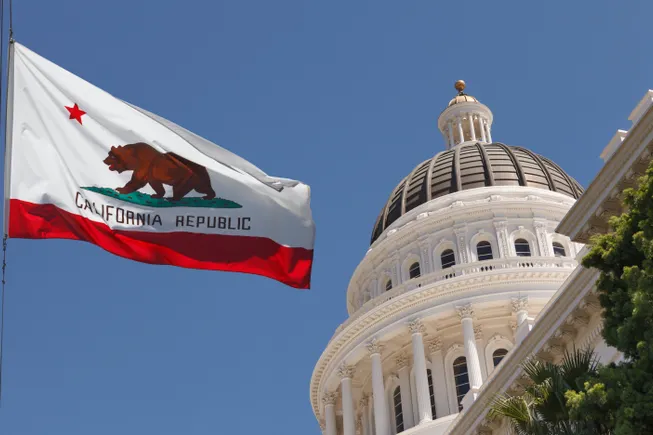
California Finally Issues SB 54 Producer Responsibility Rules
The California Office of Administrative Law approved and filed the permanent SB 54 (Producer Responsibility and Packaging Source Reduction Act) regulations on Friday, effective immediately. On the same day, the producer responsibility organization Circular Action Alliance released sample fees for obligated producers. The regulations require that by 2032, producers must reduce the use of covered materials by 25%, ensure a recycling rate of 65%, and achieve 100% recyclability or compostability for all single-use packaging and food service ware. CalRecycle has launched an online portal for producer registration, data submission, and compliance tracking.
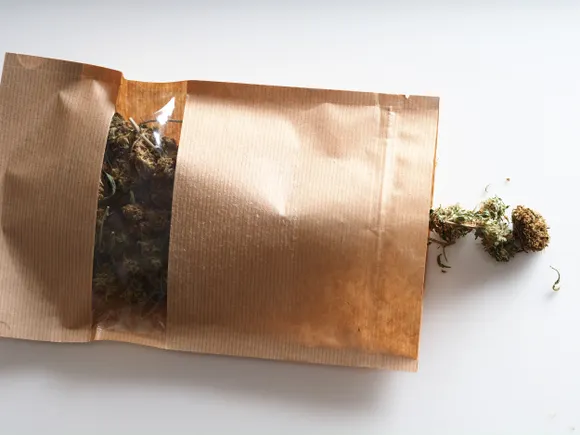
Cannabis companies signal warnings over packaging regulatory challenges
U.S. cannabis packaging regulations vary by state, requiring companies to navigate complex requirements such as child safety and design restrictions, while also balancing brand innovation, product freshness, and sustainability. Industry experts note that regulations have not relaxed as the market matures, increasing operational costs and hindering innovation.
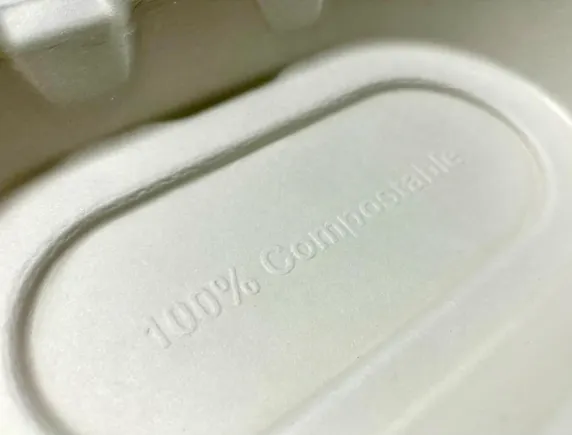
California Bills Aim to Tighten Compostable Product Labels and Definitions
California lawmakers reviewed two bills last week concerning compostable packaging: SB 1031 seeks to clarify the distinction between compostable products and non-compostable alternatives, and study the health effects of degradable plastics; AB 1812 seeks to restrict the use of "compostable" or "home compostable" labels on products containing plastic. Both bills have passed committee votes and advanced to the appropriations committee.

Massachusetts Senate Passes Comprehensive Environmental Bill Addressing Plastic Bags, Foam, and Food Service Packaging
The Massachusetts Senate passed a major environmental bill (S.3050) by a vote of 36-3 on Wednesday. The bill is an iteration of the Mass Ready Act proposed by Governor Maura Healey in 2025. This package, valued at over $3.6 billion, covers funding for various environmental projects and includes policy adjustments regarding extended producer responsibility (EPR) and restrictions on single-use packaging. The bill has now been sent to the state House of Representatives, and the current two-year legislative session ends on July 31.

Oregon Judge Rules: AF&PA Cannot Join NAW's EPR Lawsuit
A federal judge in Oregon this week clarified the scope of a temporary injunction on the packaging extended producer responsibility (EPR) law, while denying a motion by the American Forest & Paper Association (AF&PA) and other business groups to join an existing lawsuit by the National Wholesaler-Distributor Association (NAW). The judge noted that the temporary injunction applies only to entities that were NAW members as of February 6, 2026, and does not cover newly joined members. The case is scheduled for trial in July.

EU publishes new implementation guidance for PPWR, less than five months before it takes effect
The European Commission published PPWR implementation guidance on Monday, clarifying definitions for producers, importers, packaging, as well as restrictions on single-use items and PFAS. It also released an FAQ document in response to stakeholder concerns. With less than five months until it takes effect on August 12, industry organization Europen stated that the guidance remains insufficient to provide the legal certainty and operational clarity businesses need, leaving investment decisions and compliance planning stalled.
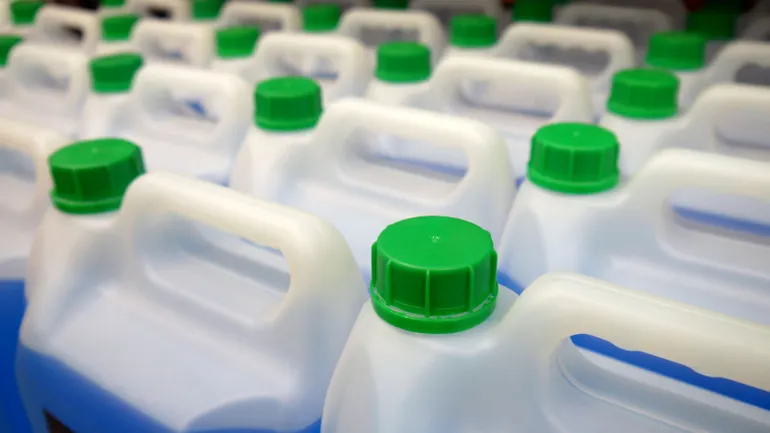
Lubricant and Wholesaler Groups Coordinate Actions on EPR Lawsuits
The Independent Lubricant Manufacturers Association (ILMA) filed a lawsuit in Colorado this month challenging the state's extended producer responsibility (EPR) law for packaging, one of several recent legal challenges to state packaging policies. Meanwhile, groups such as the American Forest & Paper Association joined an Oregon lawsuit led by the National Association of Wholesaler-Distributors (NAW). Attorneys for ILMA and NAW communicate regularly, with both sides believing that EPR implementation raises fundamental legal issues and expressing concern about indirect cost impacts on small businesses.
CAA accelerates California EPR plan amid tight timeline
Circular Action Alliance (CAA) is accelerating its California SB 54 packaging EPR program. Despite regulations not yet being finalized, it plans to submit the program plan to the advisory committee by June 15, followed by a 60-day public comment period. CAA has received over 2,000 producer reports but still needs at least 700 more, and faces key deadlines including fee estimation on May 1 and report submission by May 31.