
Cannabis companies signal warnings over packaging regulatory challenges
U.S. cannabis packaging regulations vary by state, requiring companies to navigate complex requirements such as child safety and design restrictions, while also balancing brand innovation, product freshness, and sustainability. Industry experts note that regulations have not relaxed as the market matures, increasing operational costs and hindering innovation.
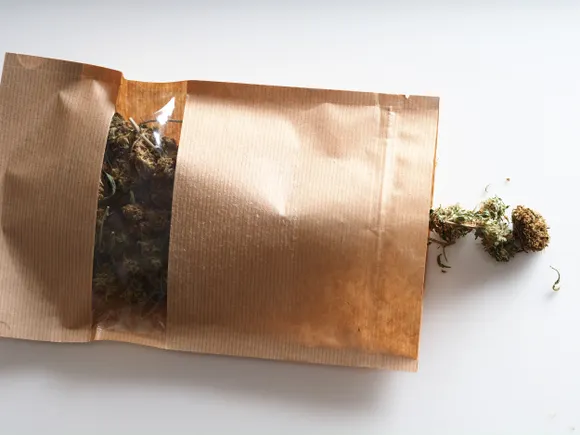
In 2012, Colorado and Washington became the first states to legalize recreational marijuana for adults. Fourteen years later, about half of U.S. states now allow such sales, spurring a wave of packaging innovation—along with a complex web of regulations to navigate.
"Because of federal illegality and the regulated nature of cannabis, states really do need to make their own rules—and they vary quite a bit," said Oren Bitan, co-chair of the cannabis and hemp practice at law firm Buchalter. "When it comes to packaging requirements, you really need experts who are well-versed in state and local laws, because even those can differ."
Sam Brill, CEO of cannabis operator Ascend Wellness Holdings, noted that in the early days of recreational marijuana sales, packaging design played a far less important role in driving the business than it does now.
"At that time, for any product on the shelf, what the packaging looked like didn't matter. If it were allowed, you could even put it in a paper bag," Brill said. "People would buy it, simply because of the novelty of being able to legally purchase cannabis for the first time. So we didn't think much about packaging then."
But as the market matured, Ascend realized it needed to invest more attention in its products and packaging.
"From a commercialization standpoint, we want to launch products and reach a quality level that we're proud of, and then present them in packaging that reflects that quality," Brill said. "The last thing you want to do is launch a brand whose internal quality doesn't match its brand image."
Cannabis- and packaging-specific laws are still being refined. Even so, in Bitan's view, "unfortunately, these laws have not eased restrictions on the industry over time."
Operators must keep up with general business regulations as well as upcoming cannabis-specific requirements—a reality that has sparked widespread concern among industry players.
"Cannabis companies enjoy 'special treatment': they must comply with all existing laws and every cannabis-specific rule," Bitan said. "At the end of the day, it's a headache."
Examining the specific rules
The most common cannabis packaging regulations across states involve safety and child resistance. Similarly, some states have attempted to add rules,restricting designs that could appeal to children。
"The push for safeguards targets things that are 'attractive nuisances' to children—like items that look like candy or toys," Bitan said, noting this applies especially to edibles such as gummies or chocolate.
But industry players say some design rules seem to overstep. For example, several states restrict colors and holographic effects on packaging. States like Arizona, New York, and Nevada prohibit fruit imagery. Seth Sznapstajler, co-founder of cannabis brand Sluggers Hit and vice president of sales at its parent company Natura, said the lack of similar rules for other regulated products like alcohol seems unfair, especially given that consumers must be of legal age to enter a dispensary.

Additionally, certain states prohibit cartoon characters, mascots, or graphics. Sluggers places its cannabis products in packaging resembling baseball card packs, with a card inside listing product data. Sznapstajler said this was a deliberate design to evoke adult nostalgia and build brand loyalty in a category that often lacks it. He added that including collectible cards helped the brand go viral quickly.
"There are no cartoon characters facing outward on the shelf," Sznapstajler said. "The graphics are colorful and appealing. Cannabis can be fun too, right?"
However, when entering the Arizona market, "we basically had to put it in a box" as an extra child-resistant layer, he said. "We have to adapt packaging for every state... Obviously, that makes things more difficult."
The fragmentation of U.S. state regulations comes with costs.
"When you have to make new packaging for each state, that's expensive. And these companies operate on fairly thin margins," Bitan said. "As a result, creating new products and changing existing ones becomes more expensive and difficult."
One example: Ascend operates in seven states and just launched its Ozone products with abrand refresh, a process that required navigating many hurdles, Brill said.

"This isn't a simple brand launch like in other industries. We had to go to each state one by one and go through the approval process," he said. Last year, Ascend launched itsHigh Wired brand, but "due to labeling restrictions, I couldn't sell High Wired under that brand in Ohio"; so Ascend placed that product under the Ozone brand in that state.
Bitan said such a burdensome process could stifle some product and packaging innovation.
"I think it really makes companies think twice about launching new SKUs or changing brands. Because if you do it once in one place, you have to do it again in eight or ten other places," he said.
Navigating through the haze
While navigating regulatory compliance, cannabis companies also need to balance effective marketing and positive consumer experiences. Additionally, they must ensure packaging still fulfills its most basic duty: protecting the product and maintaining its quality.
Some states require opaque cannabis containers, and more than a dozen states require any packaging to be opaque. But clear jars are common containers for cannabis flower, partly to prevent the product from being crushed. However, Ascend has gone against the grain, finding that plastic-based bags preserve the quality of its flower products better than jars.
"We chose these Mylar bags not for price or other reasons, but for quality and freshness," Brill said. "While jars might feel more premium, they don't actually keep the product fresher or provide the best experience. We're still working to educate the market."
Of course, some brands invest in expensive jars with rubber seals to improve freshness, he said, but that's not the typical packaging type for flower products, mainly due to cost. Ascend's bags also feature a window that lets consumers see the product inside as a visual quality check. In states where product visibility isn't allowed, a label can be placed over the window, Brill said.

Last summer, cannabis company Pure Sunfarms (a subsidiary of Village Farms International) alsolaunched bags with windows, saying this packaging style could usher in a "new era" of cannabis shopping. Later that year, it announced another innovation for these bags:a pressure-activated valvethat prevents air and moisture from entering the bag. Only when the package is squeezed is the aroma released, similar to coffee bags.
A few years ago, Dymapack introduced asqueeze-and-turn tinwith an airtight seal to keep products fresh. It also touted the tin as child-resistant and curbside recyclable.
Sustainability is another common driver of innovation.AE Globalhas introduced containers made partly from recycled ocean plastic.
Compostable packaging is also on the rise.Contempo Specialty Packaginghas launched a metal-shell container with an inner sealed compartment made from bio-based resin, certified as home-compostable by the Biodegradable Products Institute. The tin is recyclable and can also be reused with refill compartments purchased afterward to reduce waste.
Dama Distributing offers a range ofbioplastic containersthat are said to be compostable in backyard settings. Compostable packaging company Tipa, through a partnership with cannabis product company Wyld, hasexpanded into the cannabis market, using compostable materials for bags and individual wrappers for edible products.
Consumer experience is also a focus of cannabis packaging innovation. Despite the effort involved in developing boxes to comply with Arizona regulations, Sznapstajler believes the extra packaging also "adds a bit of fun to the consumer'sunboxing experience." Similarly, Ascend places one of its premium flower products in a special box to provide consumers with a luxurious experience.
"That's great for unboxing because it's an exclusive product," Brill said. "You have this beautiful packaging. It's these details that make it stand out."
Despite the setbacks, moving forward
Sources say that despite the challenges, cannabis packaging will continue to advance. But they acknowledge that balancing compliance with quality and cost control requires careful planning.
That's why strong relationships with packaging suppliers are crucial. "They always come up with interesting, innovative ideas. Some we can adopt, and some we can't," Brill said.
Putting extra effort into packaging design can pay off in sales and consumer loyalty.
"It balances out. You're going to take some hits, right?" Sznapstajler said. "But if you're smart about packaging and resources, and you seriously study supply chain planning, production planning, and forecasting as accurately as possible, you can minimize losses."