
Lubricant and Wholesaler Groups Coordinate Actions on EPR Lawsuits
The Independent Lubricant Manufacturers Association (ILMA) filed a lawsuit in Colorado this month challenging the state's extended producer responsibility (EPR) law for packaging, one of several recent legal challenges to state packaging policies. Meanwhile, groups such as the American Forest & Paper Association joined an Oregon lawsuit led by the National Association of Wholesaler-Distributors (NAW). Attorneys for ILMA and NAW communicate regularly, with both sides believing that EPR implementation raises fundamental legal issues and expressing concern about indirect cost impacts on small businesses.
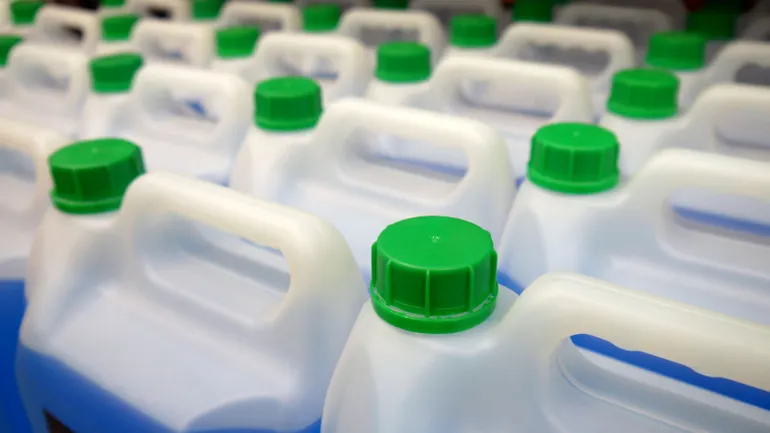
This month, the Independent Lubricant Manufacturers Association (ILMA) filed a lawsuit in Colorado challenging the state's extended producer responsibility (EPR) law for packaging. This move adds another case to a recent string of lawsuits against state packaging policies. Colorado is the second state to implement such a law, following Oregon.
In the same month, groups such as the American Forest & Paper Association also joined a lawsuit led by the National Association of Wholesaler-Distributors (NAW) challenging Oregon's packaging EPR law. According to ILMA General Counsel Jeffrey Leiter, ILMA and NAW attorneys have been in "regular communication."
In Washington, D.C., ILMA is working with numerous other groups to address EPR issues. ILMA CEO Holly Alfano said, "Each group has a slightly different stance on EPR, but (almost all of us) believe that EPR implementation has not worked."
Last September, the Colorado Department of Public Health and Environment approved an individual program plan by the nonprofit Lubricant Packaging Manufacturers Association (LPMA), covering non-curbside recycled packaging for oil-based lubricants, greases, antifreeze, engine additives, and other fluids used in transportation and mechanical applications. This is an alternative to registering with the state's designated producer responsibility organization, the Circular Action Alliance (CAA).
LPMA was founded by five major oil companies—Castrol, Chevron USA, ExxonMobil Oil, Shell, and Valvoline. These companies are also members of ILMA. LPMA was scheduled to begin its program on March 13, while ILMA filed its lawsuit on March 12.
ILMA stated in a press release: "In Colorado, the EPR fee for all packaged lubricants sold in the state—whether in plastic bottles or bag-in-box formats—is 56 cents per gallon." ILMA called this move its "first step in addressing the flaws of EPR legislation, which is rapidly forming a patchwork of state regulations that harms small businesses. ILMA is acting now so that its members do not face this threat alone."
ILMA said the law disproportionately impacts small manufacturers, partly due to indirect compliance costs. Leiter noted, "These transaction costs are not necessarily reflected in the fees."
Alfano said, "This law effectively hinders their ability to sell products in Colorado because they cannot invest funds to comply with regulations. This will lead to fewer market choices for Colorado consumers."
ILMA's challenge involves multiple aspects, including how entities such as CAA and LPMA operate their programs, as well as a provision that restricts disclosing the costs of recycling programs to customers.
ILMA leaders said the organization is monitoring developments in other states but currently has no plans for intervention. Alfano said, "We are a smaller organization with relatively limited resources."
Alfano described the implementation of Colorado's law as an "existential threat" because the fees could erode profit margins for manufacturers and distributors operating in the state.
Meanwhile, in Oregon, after obtaining a preliminary injunction in February, NAW remains focused on the upcoming trial in July rather than launching challenges in other states. Karen Harned, NAW's Director of Litigation and Legal Policy, said, "We are very encouraged by the situation in Oregon. We are not ruling out other options at this time, but our focus is really on Oregon."
Regarding other groups' interest in NAW's lawsuit, Harned said the trend demonstrates the "unprecedented" scope of these laws that NAW is concerned about. "It affects many different types of businesses, so we are not surprised that other groups are now joining."
NAW hopes its lawsuit will have a ripple effect on other states considering packaging EPR. Harned said, "We hope our lawsuit will make them think twice, because we truly believe we are pointing out some fundamental legal problems with these laws."