
Deep Dive
来自我们记者的行业洞察
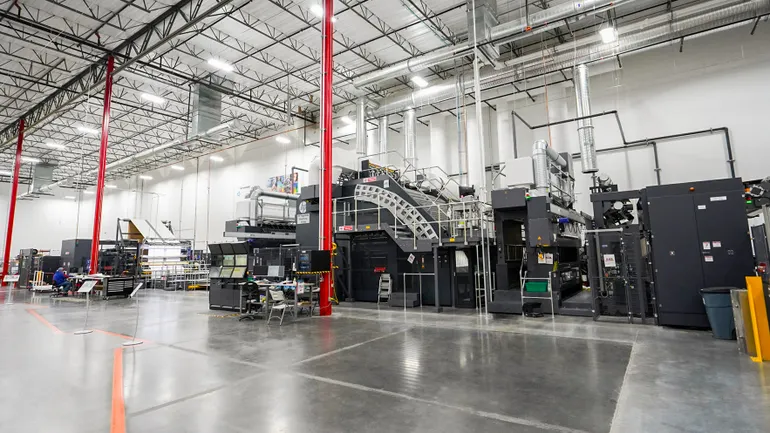

The Controversy and Complex History of Compostable Packaging Do Not Determine Its Future Direction
A1 Organics, Colorado's largest composter, announced in April 2023 that it would no longer accept compostable packaging due to excessively high levels of non-compostable contaminants. This move caused ripples in the industry, but at the same time, more municipal composting systems are being established, and more facilities are beginning to accept compostable packaging. San Francisco and Minneapolis offer two different models of urban practice. Certification bodies and industry groups such as BPI and CMA are promoting labeling legislation, on-site testing, and federal bills, attempting to find a balance between contamination control and compost promotion.
Compostable packaging is still evolving but highly favored: experts point out its most effective application scenarios
The compostable packaging market is expected to reach $75 billion by 2029. Experts recommend using it in scenarios with food residue, such as food service, coffee, and prepared meals. Challenges lie in insufficient composting infrastructure and consumer confusion, with clear labeling and closed-loop venues (such as stadiums) seen as breakthrough points.
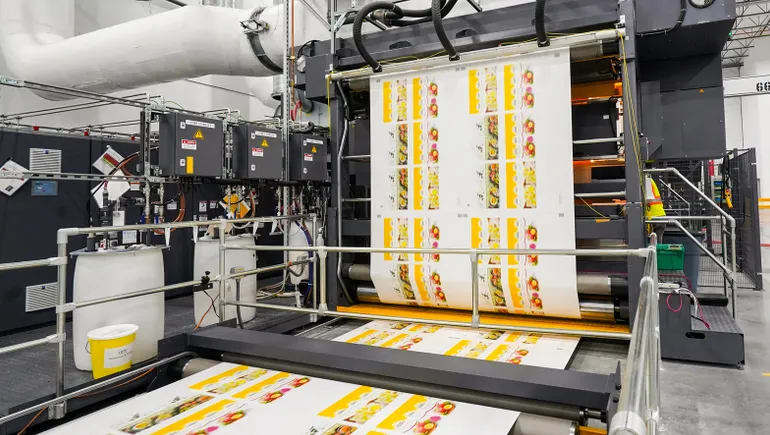
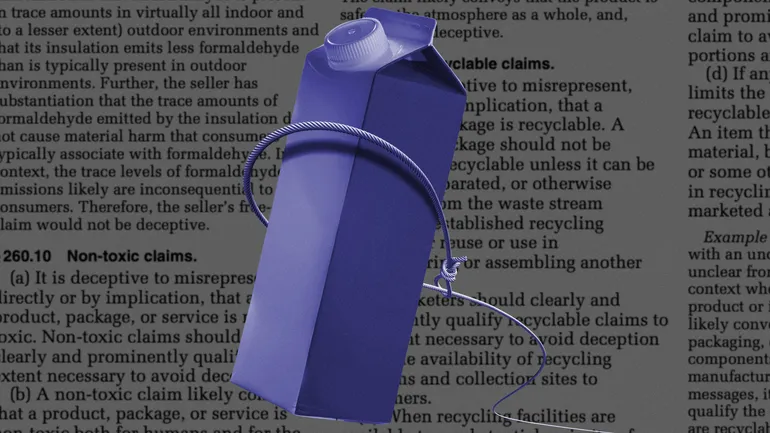
How the 'Wild West' of Green Marketing Was Tamed: A History of the U.S. Green Guides
In 1992, the U.S. Federal Trade Commission (FTC), under pressure from both state attorneys general and manufacturers, issued the Guides for the Use of Environmental Marketing Claims (commonly known as the Green Guides) to regulate corporate environmental claims. Over more than three decades, the guides have undergone several revisions but have consistently faced challenges such as declining consumer trust and fragmented state-level legislation. Now, the FTC is preparing for a new round of updates that may address controversial topics like chemical recycling and recyclability claims. This article traces the historical background of the Green Guides, key revision milestones, and enforcement cases, while citing insights from multiple experts to analyze their effectiveness and limitations.

Social media unboxing videos are prevalent, and the packaging industry is adapting accordingly
Unboxing videos continue to gain popularity on social media, prompting packaging companies to rethink the design and functionality of product packaging. From interior printing on e-commerce boxes to the use of sustainable materials, packaging is becoming an important medium for brands to build emotional connections with consumers and enhance loyalty.
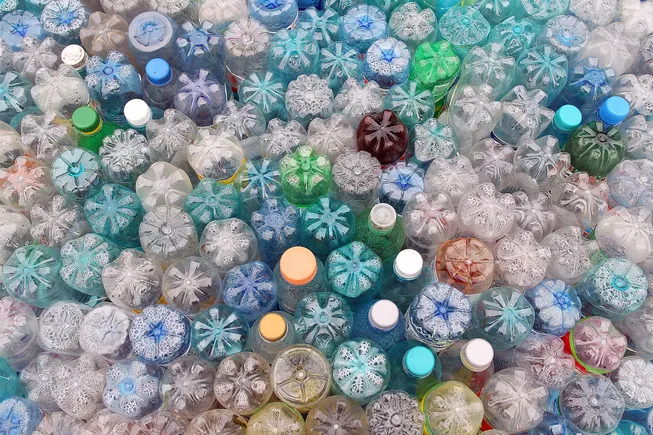
Demand for Recycled Plastic Packaging Grows, Health Risk Concerns Rise in Tandem
As demand for recycled plastics in packaging continues to rise, concerns about their potential health risks are also increasing. A May report from the United Nations Environment Programme shows that nearly half of the 7,000 plastic-related chemicals have hazardous properties. The U.S. FDA is evaluating related petitions, and the EU requires all plastic packaging to be recyclable by 2030. Industry and advocates are calling for stronger regulation, improved recycling systems, and exploration of alternatives such as chemical recycling.

Five Key Factors Reshaping Packaging Design and Operations
The packaging industry is facing demands from customers, investors, and regulatory bodies for leaner, cleaner, smarter, and more sustainable solutions. Based on industry dynamics, this article analyzes five key factors influencing current packaging design and operations: persistent inflationary pressures and demand fluctuations, manufacturing automation investments, increasing materials management and marketing regulations, ongoing concerns over PFAS (per- and polyfluoroalkyl substances), and potential M&A hotspots in the plastics sector.