
Deep Dive
来自我们记者的行业洞察
From Testing to Shelf: How FMCG Brands Advance Sustainable Packaging Innovation
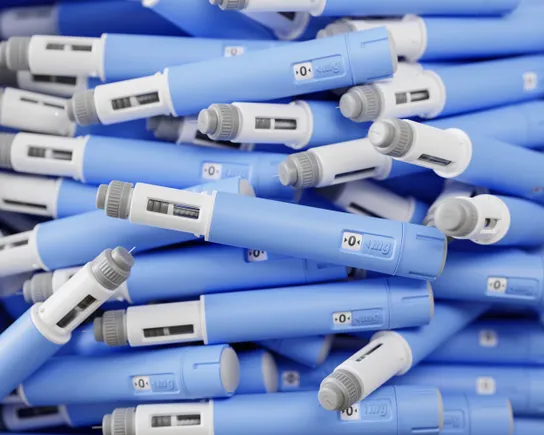
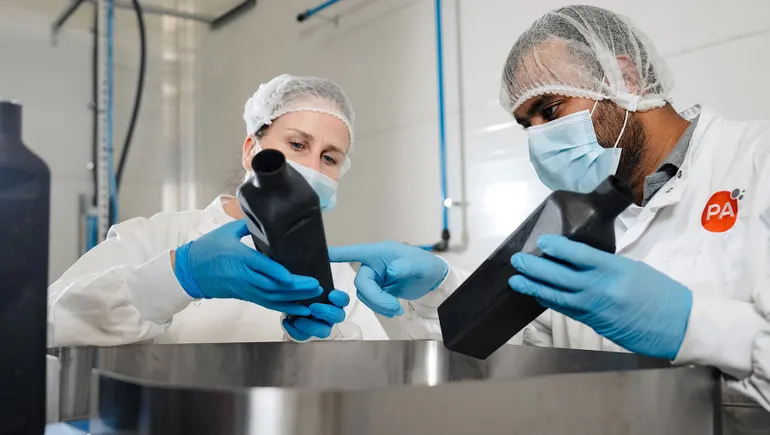
FMCG brands and packaging suppliers are exploring sustainable packaging solutions that balance environmental impact, performance, and cost through pilot projects, life cycle assessments, and phased testing. From Johnnie Walker's paper-based bottle to Sealed Air's compostable tray, the industry is advancing innovation through careful trade-offs.
Where Will Packaging Industry M&A Integration Head in 2025? Experts Interpret Trends and Variables
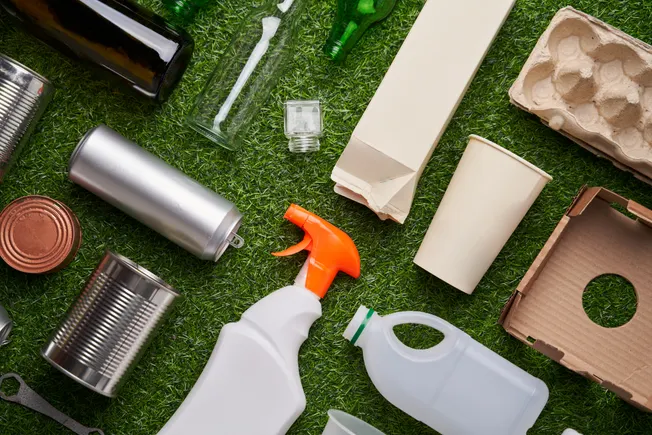
After a trough in deal activity in 2024, M&A in the packaging industry is expected to recover in 2025. Experts point out that there is significant room for consolidation in segments such as flexible packaging, molded fiber, and reusable packaging; large-scale cross-border M&A and divestitures will continue, and private equity capital may accelerate its entry. The Trump administration's regulatory stance, tariff policies, and the Federal Reserve's interest rate path are key variables affecting the pace of transactions.
Plastic regulations tighten, companies accelerate bets on paper packaging innovation
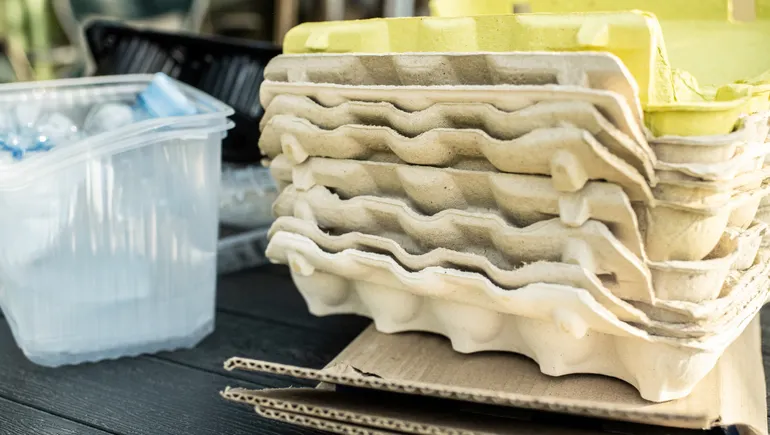
Regulatory requirements and consumer demand are pushing more companies to switch packaging materials from plastic to paper, with applications ranging from cushioning pellets to beverage bottles. However, some groups question whether paper is truly superior and to what extent it helps companies fulfill their sustainability commitments.
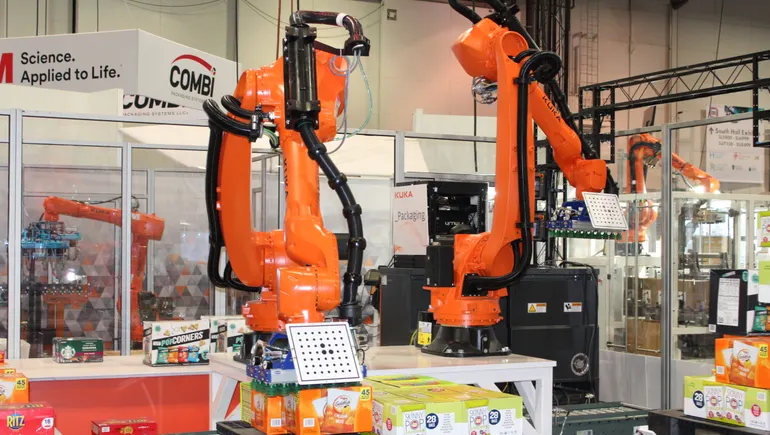
Why E-commerce Packaging Favors Square Shapes: From Robot Efficiency to Sustainable Development
E-commerce packaging is accelerating its shift toward square or rectangular designs, driven primarily by automated robots' preference for regular shapes, optimized shipping density, and sustainability needs. However, consumer sensitivity to packaging shape changes (such as the Tropicana case) reminds brands to balance efficiency with market acceptance.
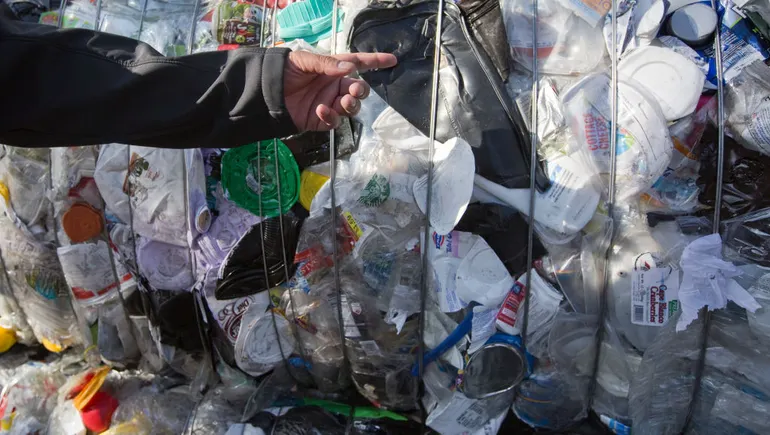
The critical role of life cycle assessment in the effectiveness of EPR programs is increasingly prominent
Multiple U.S. states are implementing packaging extended producer responsibility (EPR) programs, with Oregon being the first to use life cycle assessment (LCA) to determine producer fees. LCA aims to evaluate the environmental impacts of products from cradle to grave, but its methodology is controversial. Experts believe that despite its flaws, LCA remains the best available tool. Oregon requires large producers to submit LCAs periodically and allows fee reductions through eco-modulation. However, LCA often overlooks health impacts and issues like microplastics in plastic assessments, raising questions. Other states, such as California, adopt different strategies and do not mandate LCA.

Key Data Review of the Packaging Industry in 2024
In 2024, the packaging industry saw numerous key data points in policy, M&A, and sustainability: Minnesota passed the fifth state-level EPR law, and Washington State fined 35 companies $416,000; in M&A, there were at least four international deals exceeding $3 billion; the fiber recycling rate was adjusted to 71-76% due to new methodologies; manufacturing contracted for eight consecutive months; Amazon fully eliminated plastic air pillows; regarding corporate goals, Ellen MacArthur Foundation signatories achieved only a 3% reduction in virgin plastic, falling significantly short of the 2025 target.
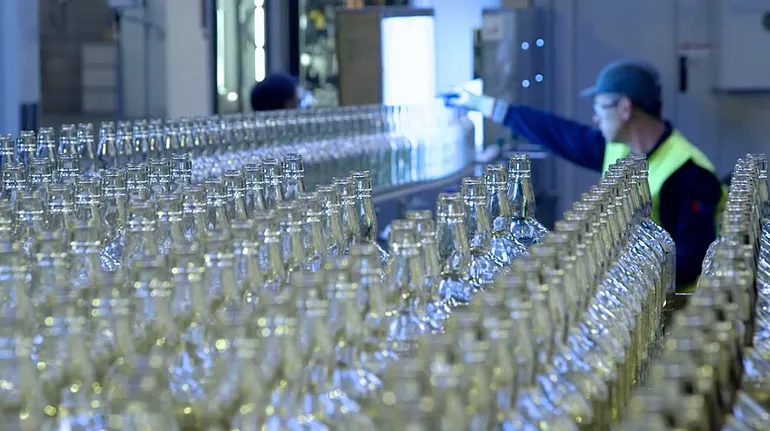
Packaging industry faces labor shortages and pandemic impact after a decade of workforce growth
The U.S. packaging industry workforce generally grew between 2014 and 2023, but experienced a brief decline in 2020 due to the pandemic, followed by a rebound driven by the e-commerce boom. Mergers and divestitures affected headcounts at individual companies, while labor shortages prompted increased investment in automation.


Accessible Packaging: Why the Beauty Industry Must Address the 'Benefits for All' Issue
For consumers with visual impairments or mobility challenges, many beauty product packages are difficult to use. Although some brands have begun to take action, the industry's overall progress remains slow. Through multiple case studies and expert insights, this article analyzes the industry's current state of accessible packaging, implementation challenges, and its potential impact on brand loyalty and business opportunities.