
Deep Dive
来自我们记者的行业洞察

Uncertainty reigns for manufacturers seeking tariff refunds
More than a month has passed since the U.S. Supreme Court ruled that most tariffs imposed by the Trump administration under the International Emergency Economic Powers Act were invalid, but only a small number of the over 300,000 affected companies have filed lawsuits. Manufacturers are divided among administrative appeals, litigation, and a wait-and-see approach, while details of the refund mechanism remain to be clarified.
The Iran war is hitting packaging supply chains. Are the impacts temporary?
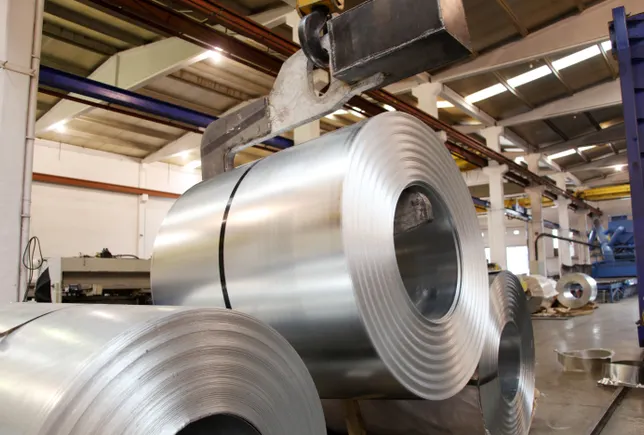
Nearly a month after the outbreak of the Iran war, supply chain shocks in the packaging industry have become apparent. Substrates such as plastics are bearing the brunt, with surging oil prices driving up transportation and raw material costs, and disruptions in the Strait of Hormuz unsettling the supply of commodities like aluminum. Analysts point out that whether the impact is short-lived depends on the duration of the conflict, and weak consumer demand may further suppress packaging demand.
Plastic scrap imports add to ‘perfect storm’ hitting domestic PCR
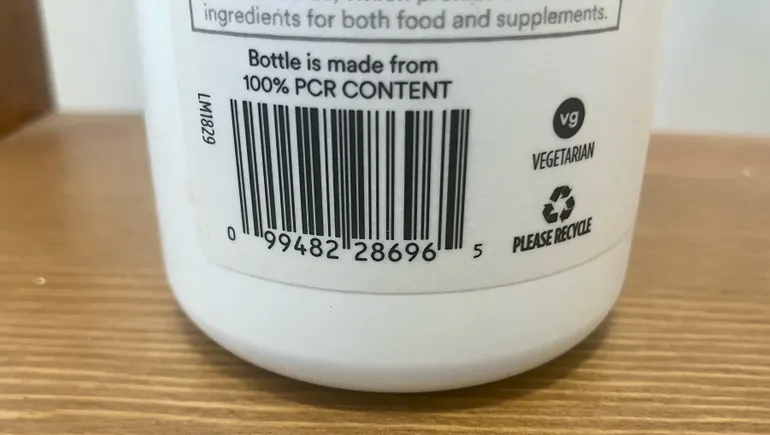
The U.S. recycled resin market is encountering multiple pressures such as rising import volumes and weak demand, and industry experts expect challenges to continue into 2026.

What 2026 holds after containerboard’s historic 10% capacity pullback
In 2025, North American containerboard capacity experienced a historic 10% contraction. Analysts are cautiously optimistic about the 2026 market, expecting moderate demand growth of 1% to 1.5%, but weak consumption, sticky inflation, and threats from alternative packaging materials persist. Capacity utilization is expected to rise to the mid-90s, prices may see upward adjustments, but large-scale mergers and acquisitions may be hard to replicate.

Compostable packaging acceptance remains contentious even as sector scales
The compostable packaging market is expected to grow from $56 billion in 2024 to $90 billion by 2032, but regulatory conflicts, certification disputes, and infrastructure shortcomings complicate its prospects. Revolution Foods piloted bagasse trays in 95 schools in San Francisco, while the U.S. National Organic Standards Board postponed a vote on whether to allow compostable plastics as compost feedstock.
Industrial M&A ramps up as tariffs settle in, interest rates drop and funds are flush
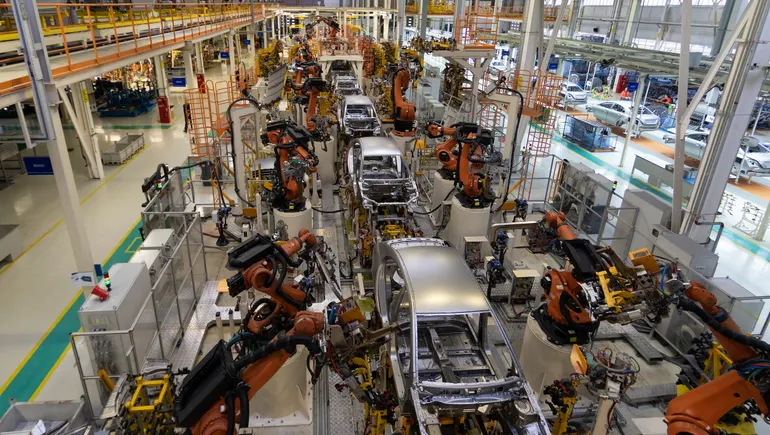
Industrial M&A got off to a slow start in 2025, but experts believe deals are picking up. Private equity holds a large volume of unsold assets and idle capital, strategic buyers face growth pressures, aging business owners seek exits, and domestic manufacturing is favored. Despite a decline in second-quarter deal volume, interest rate cuts and tariff adaptation are leading to expectations of strong growth over the next two years.

Food and beverage giants play catchup on packaging investments
The food and beverage industry has long treated packaging as an afterthought, but now, driven by intensifying competition and shifting consumer demands, companies are increasing packaging investment. Companies such as B&G Foods, Conagra Brands, and Suja Life are improving packaging through testing, data analysis, and consumer research to boost sales and brand loyalty. However, packaging changes carry risks, as seen in the lessons of Tropicana and Sun Chips. Industry experts point out that packaging should be viewed as a growth lever rather than a cost, and companies need to find a balance between innovation and caution.
RFID Packaging Applications Expand into New Markets; FDA Traceability Rule Delay Does Not Halt Technological Progress
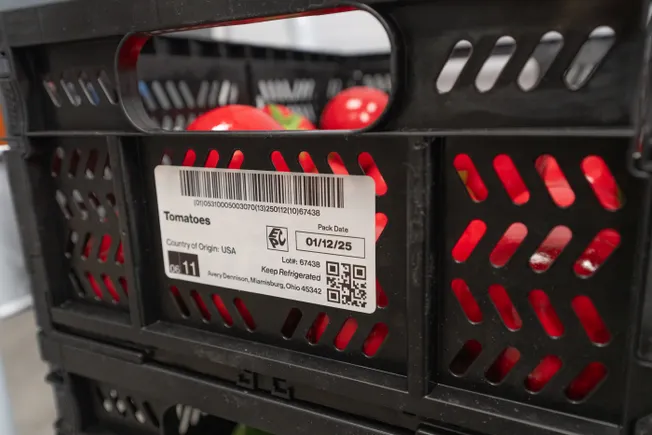
The U.S. FDA has extended the compliance deadline for the Food Traceability Rule to July 20, 2028, but the deployment of RFID (Radio Frequency Identification) technology in the packaging sector has not stopped as a result. Industry participants and observers point out that while the delay may slow short-term progress, it is unlikely to reverse the overall development trajectory. Beyond food traceability, RFID is entering emerging application scenarios such as anti-counterfeiting for high-value goods and cold-chain pharmaceutical monitoring, while technological advancements continue to address reading challenges in metal and liquid environments as well as recyclability debates.