
EPR & Regulation
With California’s SB 343 stalled, push for federal labeling law continues
Packaging and consumer goods industry groups are continuing to advance the Packaging Act (Pack Act) with little time remaining in the congressional session. The bill aims to establish federal packaging labeling standards to address inconsistencies across state regulations. Meanwhile, California's landmark SB 343 labeling law has been blocked by a preliminary injunction due to litigation, and related legal disputes are still ongoing.
After novel Oregon EPR ruling, attention turns to other legal battlegrounds
After an Oregon federal judge upheld the state's Recycling Modernization Act against constitutional challenges, industry attorneys are now examining how the decision will influence pending packaging extended producer responsibility (EPR) lawsuits in California, Colorado, and a related class action in Oregon.
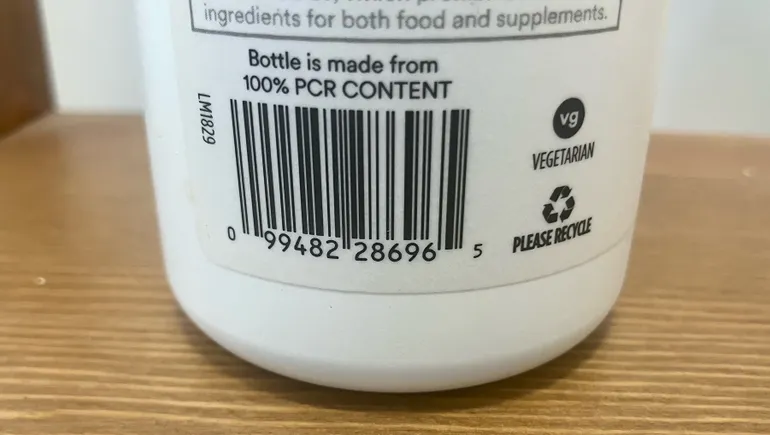
California bill cracking down on recycled content claims heads to Newsom
A California bill on recycled content claims, AB 2253, has been submitted to Governor Newsom, which would expand regulation beyond plastic food containers to all products and require claims to comply with FTC Green Guides.
Oregon EPR law doesn’t violate Constitution, judge rules
U.S. Federal Judge Michael H. Simon ruled that Oregon's extended producer responsibility (EPR) law for packaging does not violate the dormant Commerce Clause and the Due Process Clause of the U.S. Constitution. The plaintiff, the National Association of Wholesaler-Distributors (NAW), expressed strong opposition and is considering next steps.
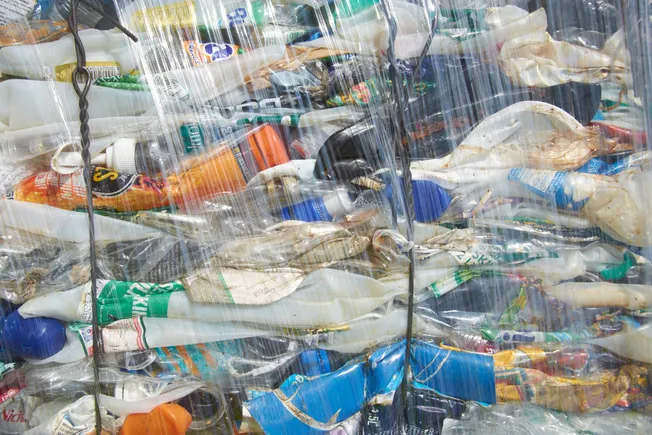
Messy EPR process provides opportunities for brands, recyclers
At Wednesday's Be Waste Wise webinar, experts noted that although the implementation of packaging EPR regulations in seven U.S. states faces legal challenges and uncertainty, this complex process also provides an opportunity for brands, recyclers, and state governments to optimize systems and promote long-term sustainable development.
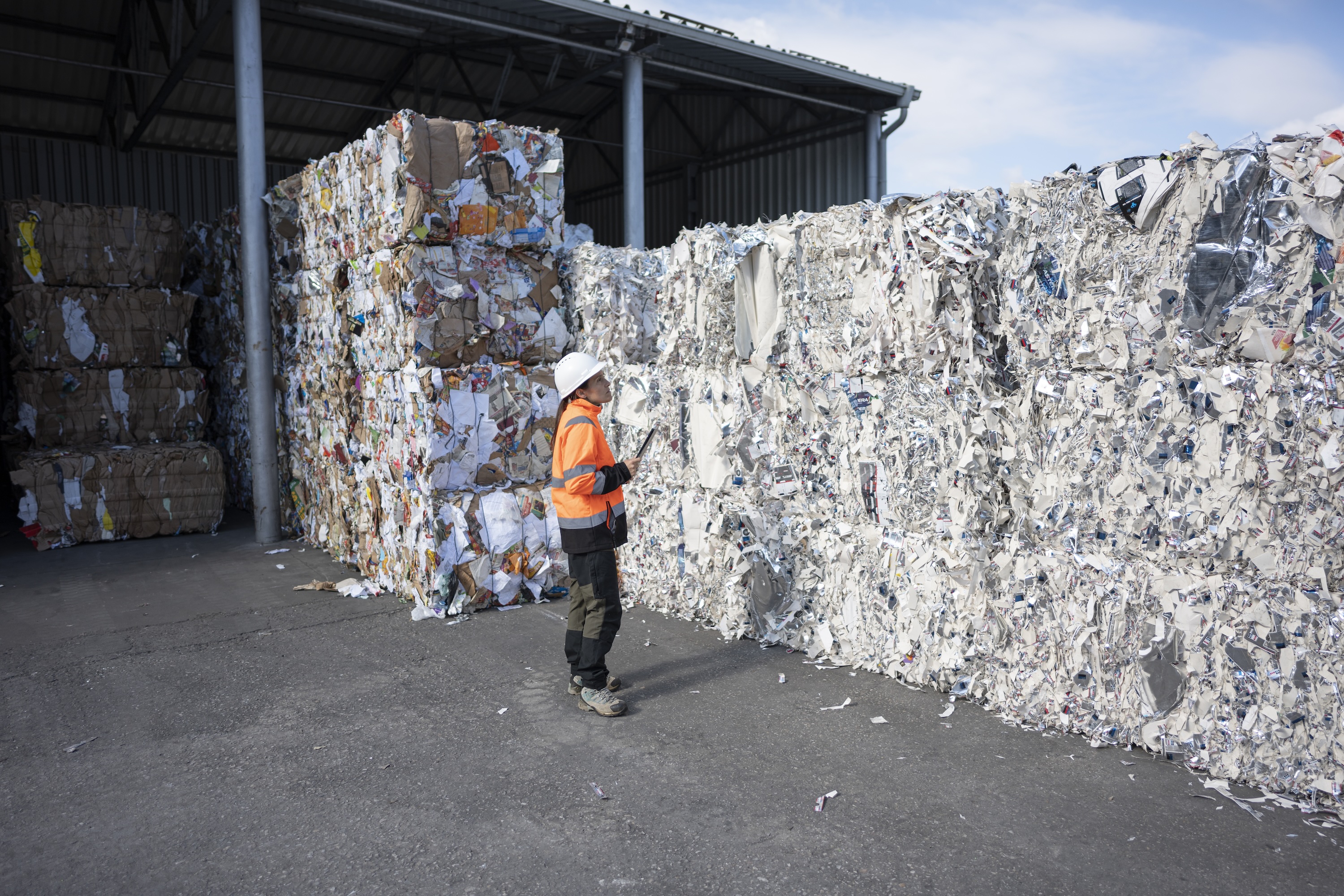
Packaging Dive Trendline on Preparing for Extended Producer Responsibility
Since Oregon became the first state to implement a packaging extended producer responsibility (EPR) law, packaging stakeholders in the United States have learned a great deal over the past year. However, at the SPC Impact conference in Nashville, Tennessee, speakers noted that the industry is still in its early stages. The following are some of their insights on the future direction of EPR.
Maine EPR timeline in flux after no PROs emerge to manage program
Maine's packaging EPR program faces delays as no producer responsibility organizations submitted proposals by the Aug. 18 deadline. Circular Action Alliance, which manages similar programs in six other states, declined to participate, citing the RFP's scope. The state's DEP is reassessing next steps, including registration and invoicing timelines.

California compostables bills, opposed by BPI, won’t advance
California's AB 1812 and SB 1031, which would have restricted plastic in compostables and tightened labeling, failed to advance after missing an appropriations deadline. BPI, a key opponent, celebrates the outcome and shifts focus to extending AB 1201's implementation date.
It’s here: EU PPWR requirements begin to phase in
As of Wednesday, the EU PPWR begins phased implementation, replacing the 1994 directive. Initial obligations include PFAS limits in food-contact packaging and conformity declarations, with enforcement guidance emphasizing support over sanctions.
U.S. Lawmakers Unveil Truth in Labeling Act to Standardize Environmental Marketing Claims
Congressman Lou Correa and Senator Jeff Merkley introduced the Truth in Labeling Act, which would create voluntary federal labeling guidelines for consumer products claiming recyclability, compostability, reusability, or refillability. The bill responds to widespread confusion over the chasing arrows symbol and outdated federal guidance, and is backed by major recycling and waste diversion organizations.